

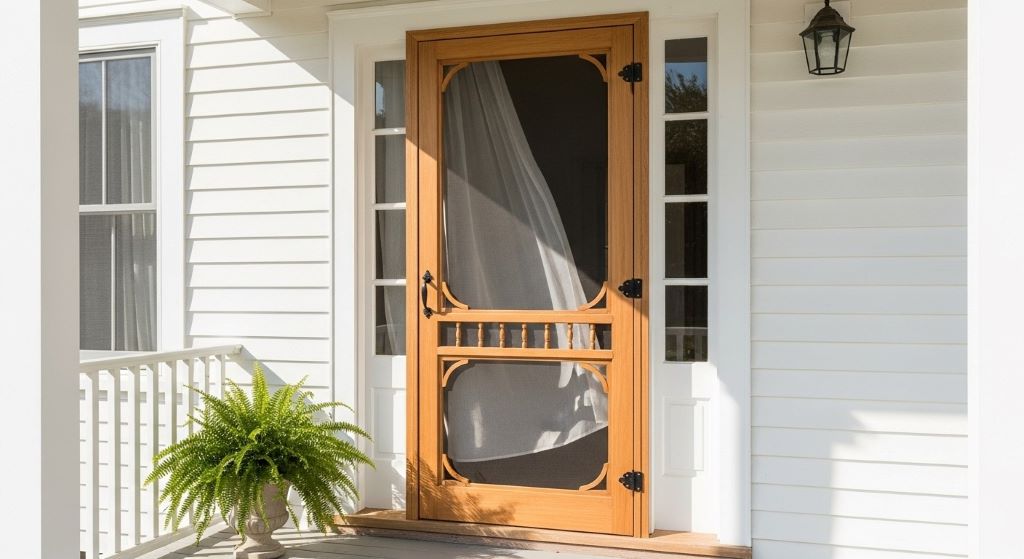
Wood screen doors offer more than charming curb appeal. These traditional home features actively support natural cooling strategies that reduce energy costs and environmental impact. Understanding how screen doors facilitate airflow and ventilation helps homeowners maximize their cooling potential during warm months.
The Science Behind Natural Cooling with Screen Doors
Natural cooling relies on air circulation and strategic ventilation. Wood screen doors create barriers against insects while allowing breezes to flow freely through homes. This simple concept dramatically improves indoor comfort without air conditioning.
Cross-ventilation occurs when air enters from one side of a home and exits through another. Screen doors positioned on opposite ends of living spaces facilitate this airflow pattern. Therefore, hot stagnant air escapes while cooler outdoor air enters continuously.
Additionally, wood frames provide insulation properties that metal alternatives lack. Wood naturally resists heat transfer, keeping door frames cooler to the touch. This prevents additional heat from radiating into your home during peak afternoon hours.
Creating Effective Cross-Ventilation Pathways
Strategic screen door placement maximizes natural cooling effects. Front and back doors should align to create clear airflow channels through main living areas. Opening both the solid door and screen door on each end establishes powerful ventilation currents.
Windows work together with screen doors to enhance airflow. Opening windows on the side of your home where breezes originate pulls air through screen doors on the opposite side. This creates a wind tunnel effect that rapidly exchanges indoor air.
However, timing matters significantly for effective cross-ventilation. Early morning and evening hours typically offer the coolest outdoor temperatures. Opening screen doors during these periods flushes out accumulated daytime heat while drawing in refreshing cooler air.
Ceiling fans amplify screen door ventilation benefits. Positioning fans near screen doors pulls outdoor air deeper into interior rooms. Moreover, this combination moves air at velocities that create noticeable cooling sensations on skin.
Stack Ventilation and Wood Screen Doors
Stack ventilation harnesses natural physics principles where hot air rises while cool air sinks. Wood screen doors at ground level serve as cool air intake points. Upper-level windows or vents release accumulated hot air from ceiling spaces.
This vertical air movement creates continuous circulation without mechanical assistance. Screen doors maintain constant fresh air supply as warm air naturally exits through higher openings. The process continues automatically as long as temperature differences exist between floor and ceiling levels.
Two-story homes benefit most from stack ventilation strategies. Installing screen doors on lower levels while opening upper windows establishes powerful upward airflow. Therefore, entire homes experience cooling effects rather than just ground-floor rooms.
Stairwells function as natural chimneys in stack ventilation systems. Screen doors near staircase bases feed cool air into these vertical channels. Hot air rises through stairs and exits through second-floor windows, pulling continuous fresh air through ground-level screen doors.
Material Properties: Why Wood Outperforms Alternatives
Wood screen doors provide superior natural cooling compared to metal or vinyl options. Wood’s cellular structure contains air pockets that insulate against heat transfer. Metal doors conduct heat rapidly, actually warming the air passing through them.
According to research from the U.S. Department of Energy, wood frames provide better insulation values than aluminum or vinyl alternatives, reducing unwanted heat gain.
Cedar and pine represent popular wood choices for screen doors. Cedar naturally resists moisture and decay while providing excellent insulation properties. Pine offers affordability with adequate insulation when properly maintained and sealed.
Hardwoods like oak and mahogany deliver maximum durability and insulation. These dense woods resist warping in temperature fluctuations better than softwoods. However, their weight requires sturdy hinges and proper installation for smooth operation.
Wood frames also reduce noise pollution while facilitating airflow. The material dampens outdoor sounds more effectively than hollow metal frames. Therefore, homeowners enjoy peaceful interiors along with natural cooling benefits.
Screen Mesh Selection for Optimal Airflow
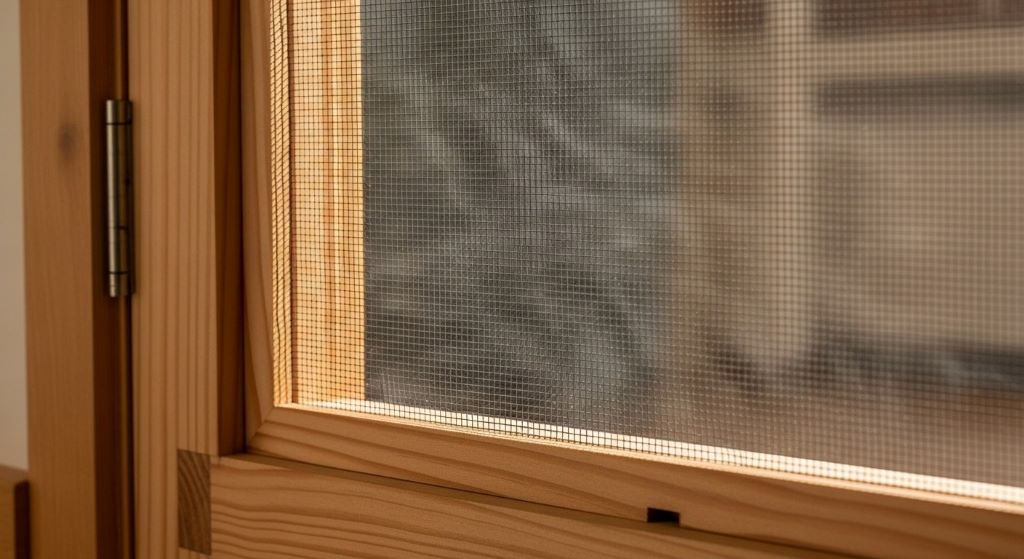
Screen mesh density directly impacts cooling effectiveness. Standard 18×16 mesh provides good insect protection while allowing substantial airflow. This weave contains 18 horizontal and 16 vertical wires per square inch.
Finer mesh like 20×20 blocks smaller insects but restricts airflow by approximately 15 percent. Homeowners in areas with tiny biting insects may accept this trade-off. Nevertheless, most regions function well with standard mesh density.
Fiberglass mesh offers the best airflow compared to metal alternatives. The material’s flexibility and thin strands minimize wind resistance. Additionally, fiberglass withstands outdoor elements without corroding or staining wood frames.
Pet-resistant screens use thicker strands that reduce airflow by 20-30 percent. These durable options suit homes with dogs or cats but compromise natural cooling efficiency. Consider installing pet screens only on high-traffic doors while using standard mesh elsewhere.
Solar screens block up to 90 percent of UV rays while reducing airflow moderately. These specialized meshes work best on doors receiving direct afternoon sun exposure. The cooling benefits from reduced solar heat gain often outweigh minimal airflow reduction.
Seasonal Adjustments for Maximum Cooling Efficiency
Spring installation allows wood screen doors to acclimate before peak cooling season. Installing screens in April or May ensures any wood swelling or adjustments occur before summer heat arrives. This prevents operational issues during crucial cooling months.
Summer requires keeping screen doors closed when outdoor temperatures exceed indoor temperatures. Typically, this means closing screens from late morning through early evening. However, open screens immediately when outdoor air cools below indoor temperatures.
Nighttime cooling proves most effective for natural temperature regulation. Opening screen doors from sunset through sunrise captures maximum cooling potential. Morning hours often provide the coolest outdoor temperatures for flushing out accumulated indoor heat.
Fall transitional periods benefit from flexible screen door use. Warm afternoons may still require closed doors and air conditioning, while cool evenings allow natural ventilation. Therefore, monitoring outdoor temperatures helps optimize screen door timing.
Winter storage protects wood screen doors from harsh weather. Removing screens prevents snow and ice damage while allowing full door closure for insulation. Proper storage in dry locations preserves wood quality for decades.
Maintenance Practices That Preserve Cooling Function
Regular cleaning maintains optimal airflow through screen mesh. Vacuuming screens monthly removes dust and debris that blocks air passage. Additionally, washing screens with mild soap and water twice annually prevents buildup that restricts ventilation.
Wood frame inspection prevents air leaks that compromise cooling efficiency. Check for cracks, gaps, or separation between frame joints each spring. Seal any openings with wood filler or exterior caulk to maintain tight seals.
Screen tension affects airflow and insect protection. Loose, sagging screens reduce effective ventilation area and allow pest entry. Re-stretching or replacing screens maintains maximum open area for air circulation.
Hinge maintenance ensures smooth operation that encourages screen door use. Lubricating hinges twice yearly with silicone spray prevents squeaking and stiffness. Well-functioning doors get used more frequently, maximizing natural cooling opportunities.
Weather-stripping around screen door perimeters prevents air leaks while maintaining insulation. Replace worn weather-stripping annually to seal gaps between the screen door frame and main door frame. This preserves cooling air inside while blocking hot outdoor air.
Integration with Other Natural Cooling Strategies
Wood screen doors complement window treatments designed for natural cooling. Light-colored curtains or blinds reflect heat while screen doors provide ventilation. Therefore, combining these strategies multiplies cooling effectiveness beyond either method alone.
Landscaping strategies enhance screen door cooling benefits. Planting deciduous trees on the side of your home where prevailing winds originate cools incoming breezes. Air passing through shaded areas arrives at screen doors several degrees cooler than unshaded air.
Awnings over doors receiving direct sun exposure prevent solar heat gain through screen mesh. Even mesh that blocks UV rays allows some heat transfer. Adding awnings provides additional protection while maintaining full airflow through screens.
According to This Old House, properly installed and maintained screen doors can reduce cooling costs by 30 percent when used as part of a comprehensive natural ventilation strategy.
Attic ventilation works synergistically with screen door cooling. Adequate attic vents release heat that would otherwise radiate downward into living spaces. Screen doors provide replacement air that gets drawn upward through the home and exhausted through attic vents.
Design Features That Enhance Cooling Performance
Full-length screens maximize ventilation area compared to half-screen designs. Doors with screens extending from top to bottom allow more airflow volume. However, half-screens with kickplates protect lower sections from pet damage while still providing substantial ventilation.
Retractable screen options offer flexibility for different seasons and conditions. These screens roll into side channels when not needed, allowing unobstructed door use during winter. Nevertheless, they provide instant ventilation capability whenever natural cooling opportunities arise.
Dutch door designs with independent top and bottom sections enable precise airflow control. Opening just the top half maintains security and pet containment while providing elevated ventilation. This configuration proves especially useful for homes with small children or indoor pets.
Screen door width affects ventilation volume significantly. Standard 36-inch doors allow more airflow than 32-inch alternatives. When replacing doors, consider upgrading to wider options if door frames accommodate larger sizes.
Glass panel inserts in wood screen doors provide winter insulation without removing entire doors. Swapping screens for glass panels in fall maintains door functionality year-round. This versatility makes wood screen doors valuable investments for all-season home comfort.
Cost Savings and Environmental Benefits
Natural cooling through screen doors reduces electricity consumption substantially. Running air conditioning systems accounts for nearly half of summer energy bills in many homes. Therefore, even partial cooling through natural ventilation creates noticeable savings.
Average homes save $200-500 annually by maximizing natural ventilation strategies. Actual savings depend on climate, home size, and electricity rates. However, these savings accumulate significantly over wood screen door lifespans of 20-30 years.
Reduced air conditioning use extends HVAC system lifespan. Systems running fewer hours experience less wear and require fewer repairs. Additionally, delayed replacement timing saves thousands in equipment costs over homeownership periods.
Environmental benefits include reduced carbon emissions from power generation. Every kilowatt-hour saved through natural cooling prevents approximately one pound of carbon dioxide emissions. Therefore, wood screen doors contribute meaningfully to household sustainability goals.
Indoor air quality improves when natural ventilation replaces sealed air-conditioned environments. Fresh outdoor air dilutes indoor pollutants, allergens, and odors. Moreover, increased air exchange rates reduce humidity that promotes mold growth.
Common Mistakes That Reduce Cooling Effectiveness
Installing screen doors on only one side of homes prevents cross-ventilation. Single doors provide some airflow but lack the powerful circulation that opposite-door placement creates. Therefore, prioritize screen door installation on front and back entrances.
Leaving solid doors closed while screen doors remain open blocks all airflow. This surprisingly common mistake completely negates screen door cooling benefits. Both doors must open simultaneously for ventilation to occur.
Ignoring wind direction patterns reduces cooling efficiency. Most regions experience prevailing winds from consistent directions. Identifying these patterns allows strategic screen door opening that maximizes natural air intake.
Operating screen doors during hottest afternoon hours actually introduces heat into homes. When outdoor temperatures exceed indoor temperatures, closed doors and windows preserve interior coolness. Wait until outdoor air cools before opening screens.
Neglecting screen maintenance gradually reduces airflow capacity. Dirty, damaged, or loose screens block air circulation progressively over time. Regular maintenance preserves the cooling investment that screen doors represent.
Conclusion
Wood screen doors serve as powerful tools for natural home cooling when properly selected, installed, and maintained. Their ability to facilitate cross-ventilation and stack ventilation reduces reliance on air conditioning while improving indoor air quality. Moreover, wood’s natural insulation properties and aesthetic appeal make these doors superior to metal alternatives. By understanding airflow principles and implementing strategic ventilation practices, homeowners significantly reduce energy costs while enhancing comfort. Therefore, investing in quality wood screen doors represents both environmental responsibility and practical home improvement.
Frequently Asked Questions
How much can wood screen doors reduce cooling costs?
Wood screen doors can reduce cooling costs by 20-40 percent when used effectively with other natural ventilation strategies. Actual savings depend on climate, home design, and how consistently you utilize natural cooling opportunities versus air conditioning.
What type of wood works best for screen doors in hot climates?
Cedar and redwood work best in hot climates due to their natural rot resistance and superior insulation properties. These woods withstand temperature fluctuations without warping while providing excellent heat resistance compared to pine or other softwoods.
Should I keep my screen door open all day during summer?
No, close screen doors when outdoor temperatures exceed indoor temperatures, typically from late morning through early evening. Open screens only during cooler hours when outdoor air can actually reduce indoor temperatures effectively.
How often should I replace screen mesh for optimal airflow?
Replace screen mesh every 3-5 years or when you notice visible sagging, tears, or holes. Even intact screens accumulate debris that reduces airflow over time, so regular replacement maintains maximum cooling efficiency.
Can screen doors work effectively with air conditioning systems?
Yes, screen doors complement air conditioning by reducing runtime and costs. Use natural ventilation during mild weather and cooler hours, then switch to air conditioning only during peak heat periods when outdoor temperatures make natural cooling ineffective.
Related Topics:
Affordable Home Decor Trends: Refresh Your Space on a Budget
Thrift Store Finds: Uncover Cheap Home Decor Gems