

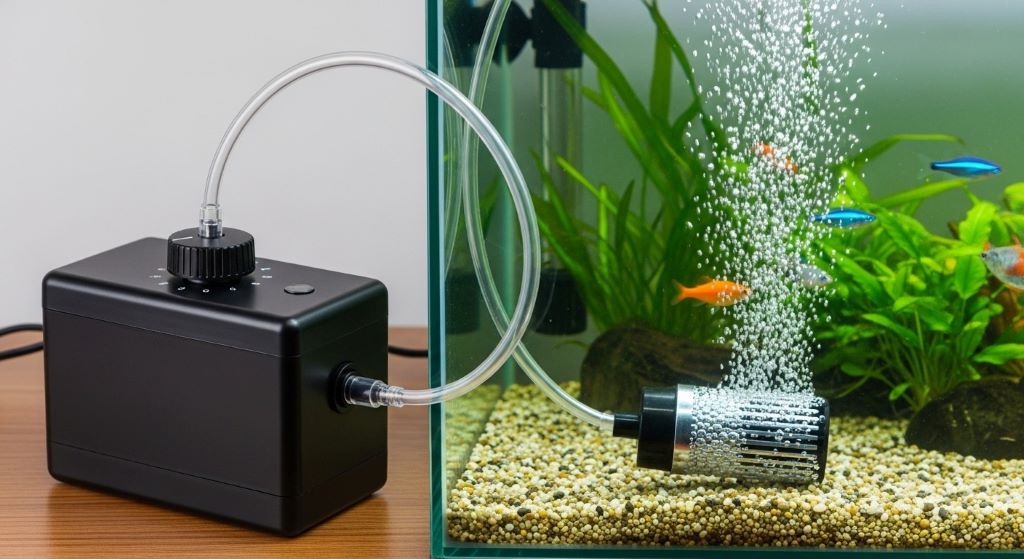
Maintaining optimal oxygen levels in your aquarium is crucial for the health of your fish and aquatic plants. Understanding how to properly adjust the airflow on your air pump can make a significant difference in creating the perfect aquatic environment. This comprehensive guide will walk you through everything you need to know about controlling airflow in your aquarium setup.
Understanding the Basics of Aquarium Aeration
Aquarium air pumps serve multiple purposes beyond simply creating bubbles. They help circulate water, facilitate gas exchange at the surface, and ensure your aquatic inhabitants receive adequate oxygen. The amount of air your tank requires depends on several factors, including tank size, stocking levels, and the presence of live plants.
Different aquariums have varying aeration needs. A heavily stocked fish tank requires more oxygen than a sparsely populated one. Similarly, tanks with minimal plant life may need additional aeration compared to heavily planted setups. Therefore, having the ability to adjust airflow becomes essential for maintaining ideal conditions.
Why Airflow Adjustment Matters
Proper airflow regulation prevents several common aquarium problems. Too much aeration can stress fish, create excessive water movement, and disturb substrate. Conversely, insufficient airflow leads to low oxygen levels, which can be fatal for your aquatic pets.
Additionally, the right amount of aeration helps maintain stable water parameters. It assists in equalizing temperature throughout the tank and prevents dead spots where debris accumulates. For planted aquariums, controlling airflow becomes even more critical since plants produce oxygen during daylight hours but consume it at night.
Components Needed for Airflow Control
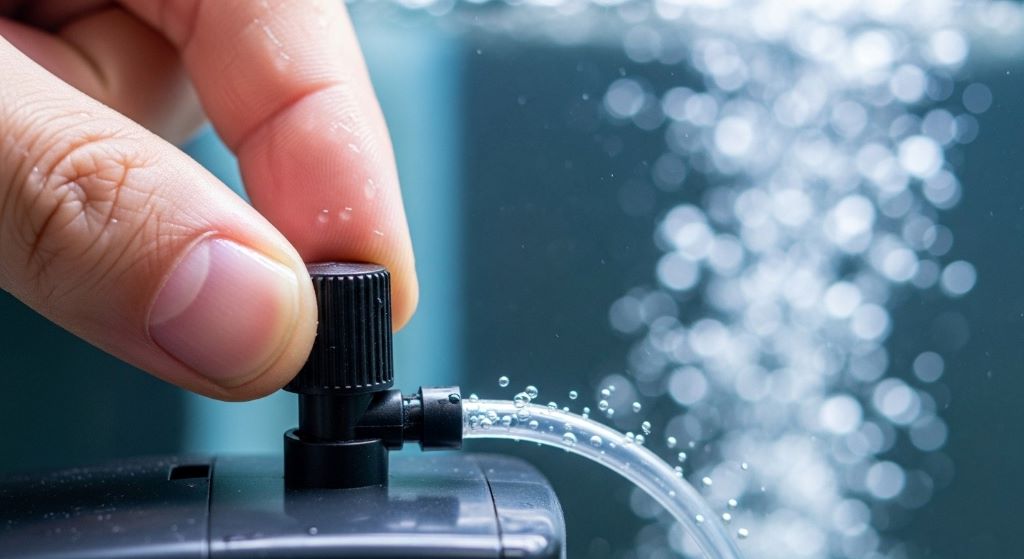
Before adjusting your air pump, you need to understand the equipment involved. The primary tool for managing airflow is an airflow control valve, which acts as a regulator between your pump and air stone or diffuser. This small but mighty device gives you precise control over the amount of air flowing into your tank.
Quality control valves feature easy-to-turn knobs or dials that allow gradual adjustments. Some models include multiple outputs, enabling you to control airflow to several devices simultaneously. When selecting a valve, choose one made from durable materials that won’t degrade in humid environments.
Other helpful components include gang valves for splitting airflow to multiple locations, check valves to prevent water backflow, and air stones or diffusers of various sizes. Having the right equipment makes adjustment easier and more effective.
Step-by-Step Guide to Adjusting Airflow
Start by installing your airflow control valve on the airline tubing between the pump and air stone. Position it in an accessible location where you can easily make adjustments. Ensure all connections are secure to prevent air leaks, which reduce efficiency.
Turn on your air pump and observe the bubble output. Initially, open the valve completely to allow maximum airflow. Watch how your fish respond and note the water surface movement. This baseline observation helps you determine how much adjustment is necessary.
Gradually close the valve while monitoring the changes. For most community tanks, you want gentle, consistent bubbling rather than violent churning. The ideal rate creates adequate surface agitation without causing strong currents that stress your fish.
Fine-Tuning for Different Tank Types
Community fish tanks typically benefit from moderate aeration. The bubbles should create enough surface movement to facilitate gas exchange without causing excessive turbulence. Watch your fish behavior closely. If they’re struggling to swim or hiding constantly, reduce the airflow.
For a planted tank air pump setup, precision aeration becomes particularly important. During the day, when plants photosynthesize and produce oxygen, you may need minimal aeration. However, nighttime hours require increased airflow since plants consume oxygen in darkness. Some aquarists use timers to adjust aeration automatically based on lighting schedules.
Breeding tanks often require gentler airflow to protect eggs and fry. Very young fish lack the strength to fight strong currents, so minimal aeration works best. Position air stones away from spawning areas to prevent disturbance.
Signs Your Airflow Needs Adjustment
Several indicators suggest your airflow settings need modification. Fish gasping at the surface signals insufficient oxygen, requiring increased aeration. This behavior is especially common in warm weather when water holds less dissolved oxygen.
Conversely, fish constantly hiding or struggling to maintain position suggests excessive airflow. Plants being uprooted or substrate constantly disturbed also indicates too much water movement. Additionally, if your air pump seems unusually loud, it might be working too hard against a restricted valve.
Water clarity provides another clue. Cloudy water sometimes results from excessive aeration stirring up debris. However, poor circulation from inadequate airflow can also cause cloudiness due to insufficient filtration.
Seasonal and Environmental Considerations
Water temperature significantly affects oxygen solubility. Warmer water holds less oxygen than cooler water, necessitating increased aeration during summer months. Monitor your tank temperature regularly and adjust airflow accordingly.
Room temperature and humidity also play roles. In poorly ventilated rooms, you may need additional aeration to compensate for lower air quality. Conversely, well-ventilated spaces with good air circulation may require less supplemental aeration.
Tank maintenance schedules should include airflow checks. After water changes, verify that your settings still provide adequate aeration. Cleaning air stones removes buildup that restricts airflow, potentially requiring valve adjustment to maintain consistent output.
Advanced Techniques for Precision Aeration
Experienced aquarists often employ sophisticated methods for optimal control. Using multiple air stones on separate valves allows customized aeration in different tank areas. This approach works particularly well in large aquariums or tanks with varied depth zones.
Splitter valves enable distribution of air from one pump to multiple tanks. However, this requires careful balancing to ensure each tank receives appropriate airflow. Adjust individual valves while monitoring all tanks simultaneously for best results.
Some hobbyists incorporate battery-operated air pumps as backup systems. These emergency pumps activate during power outages, maintaining critical oxygen levels. While they typically lack adjustable output, they provide peace of mind during emergencies.
Maintaining Your Airflow System
Regular maintenance ensures consistent performance. Clean air stones monthly by soaking them in vinegar or bleach solution to remove mineral deposits. Clogged stones restrict airflow, making accurate adjustment difficult.
Inspect airline tubing for cracks, kinks, or degradation. Replace damaged tubing promptly to maintain system efficiency. Check valve connections periodically to prevent air leaks that compromise airflow control.
Air pumps themselves require occasional cleaning. Dust and debris can accumulate in intake filters, reducing pump efficiency. Follow manufacturer guidelines for cleaning and maintenance to extend equipment life.
Troubleshooting Common Airflow Issues
Inconsistent bubble output often stems from partially clogged air stones. Remove and clean the stone, then readjust your valve settings. If problems persist, consider replacing the air stone entirely.
Excessive noise usually indicates a blocked airflow path. Check for kinked tubing or closed valves. Placing the pump on a foam pad reduces vibration noise. Some pumps include adjustable feet for leveling, which also minimizes sound.
If your valve becomes difficult to turn or unresponsive, it may need replacement. Quality valves last years with proper care, but eventually wear out. Invest in reliable brands to avoid frequent replacements.
Integrating Airflow Control with Other Equipment
Coordinate your aeration system with filtration equipment for maximum benefit. Position air stones to complement water flow from filters, creating comprehensive circulation throughout the tank. Avoid placing them directly in filter intake areas, which can interfere with filtration efficiency.
In planted tanks, balance CO2 injection with aeration carefully. Excessive surface agitation drives off dissolved CO2, reducing availability for plant growth. Run CO2 systems during daylight hours when plants actively photosynthesize, and increase aeration at night when plants consume oxygen.
Heaters and air stones should maintain safe distances. Strong water currents from aeration can cause temperature fluctuations if positioned too close to heating elements. Strategic placement ensures even heat distribution while maintaining proper aeration.
Conclusion
Mastering airflow adjustment transforms your aquarium keeping experience. By understanding how to properly control aeration using an airflow control valve, you create healthier environments for fish and plants alike. Remember that different tanks have unique requirements, and what works for one setup may not suit another.
Regular monitoring and willingness to adjust settings as needed ensures long-term success. Pay attention to your aquarium inhabitants’ behavior, seasonal changes, and water parameters. With practice, you’ll develop an intuitive sense for optimal airflow levels.
Precision aeration isn’t about perfection but rather finding the right balance for your specific setup. Whether maintaining a community tank or a specialized planted tank air pump system, proper airflow control contributes significantly to overall aquarium health and stability.
Frequently Asked Questions
How often should I adjust my aquarium air pump airflow?
Check airflow settings weekly during initial setup, then monthly once stabilized. Adjust seasonally as water temperature changes affect oxygen solubility. Make immediate adjustments if fish show stress signs or during medication treatments that reduce oxygen levels.
Can too much aeration harm my aquarium plants?
Excessive surface agitation from strong aeration depletes dissolved CO2 that plants need for photosynthesis. This particularly affects planted tanks using CO2 injection systems. Balance daytime aeration carefully and increase it during nighttime hours when plants consume rather than produce oxygen.
What’s the difference between adjusting the pump versus using a control valve?
Many air pumps lack built-in adjustment features or offer limited control. External airflow control valves provide precise, gradual adjustments and allow multiple output management. Valves also protect pumps from strain caused by restricted output when using pump-side controls.
How do I know if my air stone is clogged and affecting airflow?
Reduced bubble production, uneven bubble distribution, or increased pump noise indicate clogged air stones. Remove the stone and blow through it. If air passes with difficulty, clean it by soaking in vinegar for several hours or replace it completely.
Should I turn off aeration at night in planted tanks?
No, increase aeration at night in planted aquariums. Plants produce oxygen during daylight but consume it at night, potentially causing oxygen depletion. Running stronger aeration during dark hours compensates for this reversal and prevents dangerous overnight oxygen drops.
Related Topics:
Affordable Home Decor Trends: Refresh Your Space on a Budget
Thrift Store Finds: Uncover Cheap Home Decor Gems