

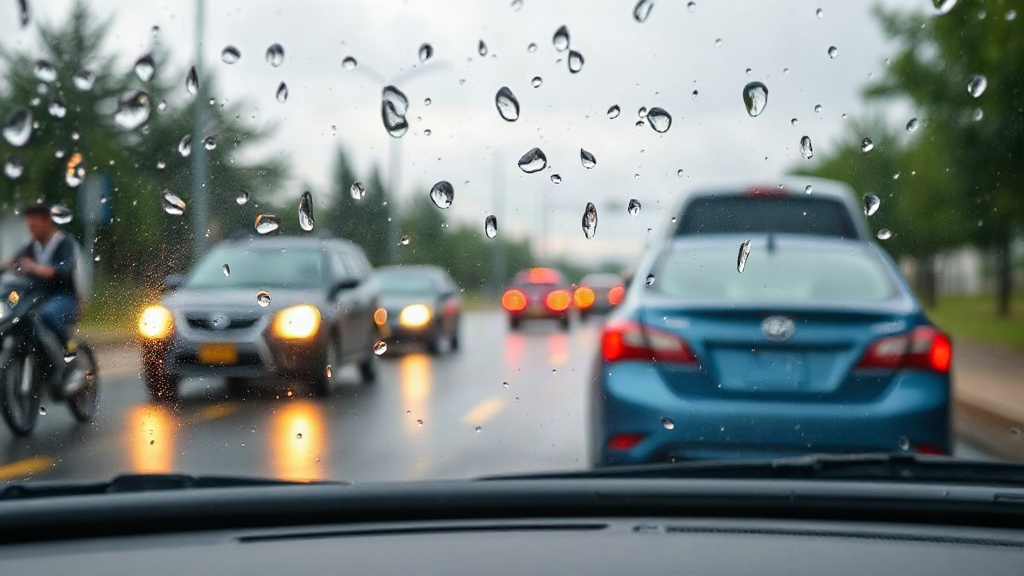
Water on the windshield, fogged glass, and dim headlights turn an ordinary drive into a stressful one. Good rainy season car prep starts with the parts you rely on to see and be seen, and those checks take an afternoon rather than a workshop visit. Drivers who buy or sell vehicles during wet months also face extra scrutiny, so a little know-how helps on both sides of a deal. Below you will find the specific checks, the mistakes that undo them, and how to time the work. Sellers comparing listings on Trade Car Hub can use the same list to judge a car honestly.
Quick answer: Focus on four things first: clean and treated glass, working wiper blades, a fully functioning lighting system, and properly inflated tires with healthy tread. Add a quick fogging test for the defroster and check that brake lights and turn signals all work. Most of these checks cost little and take under two hours.
What is rainy season car prep?
It is a short, deliberate routine that gets a vehicle ready for weeks of wet roads, low light, and sudden downpours. The goal is not a full service. It is to make sure the systems that affect visibility and grip work exactly as intended when conditions turn bad.
Think of it as a pre-flight check rather than a repair job. You inspect, clean, replace worn parts, and fix small problems before they become roadside emergencies. A driver who can see clearly and stop predictably is far safer in heavy rain than one with a squeaky wiper and cloudy headlights.
The work splits into a few practical categories:
- Glass care: clean windshields, treated surfaces, and a functioning defroster.
- Wiper system: fresh blades, a full washer reservoir, and correctly aimed nozzles.
- Lighting: headlights, taillights, brake lights, indicators, and fog lamps.
- Tires and brakes: safe tread depth, correct pressure, and responsive stopping.
- Emergency kit: a towel, a spare bulb or fuse, and a phone charger.
Timing matters as much as the list. Do the work before the first heavy storm of the season, not during it. Shops get busy, parts sell out, and a rushed job often misses the small items that matter most, such as a burned-out brake light.
A dirty windshield, a tired wiper blade, and a dim bulb each cut clarity a little. Together they can halve how far ahead you can read the road, so treat them as one system rather than separate chores.
Takeaway: rainy season car prep is a focused safety routine, not a major repair, and it pays off most when done before the weather turns.
Why rainy season car prep matters
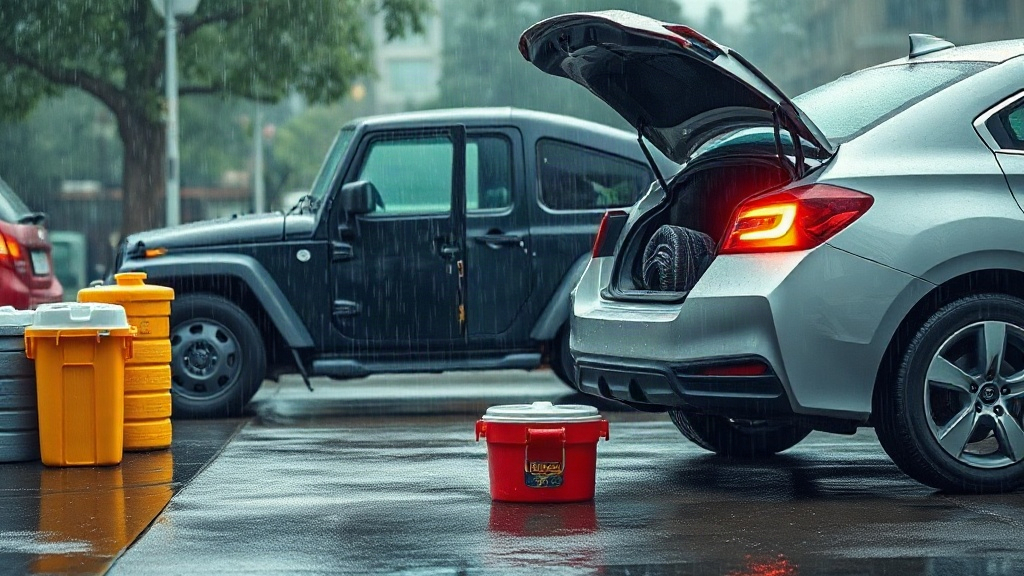
Rain changes how a car behaves in three ways at once. Stopping distances grow, glare increases, and the driver’s field of view shrinks. Each of those risks is manageable on its own. Combined, they turn small lapses into collisions.
Wet pavement offers less grip, so a car that stops comfortably on dry tarmac needs noticeably more room in the rain. Tires with worn tread clear water poorly, and the risk of aquaplaning rises when speed and standing water meet. Brakes also feel different after a soaking, so it helps to test them gently after driving through deep puddles.
Glare is the second factor. A smeared windshield turns oncoming headlights into a bright blur. Water spots and old wiper marks scatter light directly into the driver’s eyes. Clean glass and fresh blades cut that glare dramatically.
The third factor is other drivers. In heavy rain, some people slow down sensibly while others keep their speed and follow too closely. Your own lighting and signals are the main way you communicate with them, which is why a dead brake light is a genuine hazard rather than a minor fault.
| Condition | Main risk | Prep that reduces it |
|---|---|---|
| Wet surface | Longer stopping distance | Good tread and correct tire pressure |
| Heavy spray | Reduced forward view | Working wipers and washer fluid |
| Low light | Poor visibility to others | Clean, working lights |
| Fogged glass | Blind spots at junctions | Functioning defroster and clean interior glass |
There is a practical side too. Buyers inspect cars closely in wet weather, and a vehicle with streaky glass, fogged lamps, or worn wipers signals neglect. Sellers who handle these basics present a car that looks cared for, which supports a fairer price.
Takeaway: the rain itself is not the hazard. The combination of lost grip, glare, and poor visibility is, and each part responds to simple preparation.
Best practices
Work through the checks in a fixed order so nothing gets skipped. Start with glass, move to wipers, then lighting, then tires, and finish with the cabin.
Clean and treat the glass properly
Wash the outside of the windshield with a proper glass cleaner, then buff it dry with a clean microfiber cloth. Clean the inside too, because interior film is a major cause of night glare. Apply a water-repellent treatment if you like, but only on a spotless surface, since residue trapped under a coating makes things worse.
Household dish soap and paper towels can leave a film that smears in the rain. Use a purpose-made glass cleaner and a clean microfiber cloth instead.
Replace and maintain the wiper system
Inspect both blades for splits, hardened rubber, or a chattering sweep. If they streak or leave gaps, replace them as a pair. Drivers who fit branded blades should know how to remove Rain-X wiper blades cleanly, since the mounting clips vary by model and a forced release can damage the arm.
Top up the washer reservoir with a proper screen-wash fluid, not plain water, and check that the nozzles spray where they should. A pin or a small needle clears a clogged jet in seconds.
Check every light on the car
Ask someone to help, or park facing a wall or shop window. Then test the following one by one:
- Headlights on low and high beam.
- Front and rear fog lamps, if fitted.
- Brake lights, including the high-mounted one.
- Turn signals at all four corners.
- Reverse lights and hazard flashers.
Replace any failed bulb or fuse before the season starts. If lenses look cloudy, a headlight restoration kit can recover a surprising amount of light output.
Inspect tires, brakes, and the cabin
Check tread depth with a gauge or the tread-wear bars molded into the grooves. Confirm pressure against the sticker inside the driver’s door, not the number on the tire sidewall. Test the defroster and air conditioning, because air conditioning dries the cabin and clears fog far faster than heat alone.
Takeaway: a fixed order turns a long list into a quick routine, and each completed check removes one source of risk.
Common mistakes to avoid
Most rainy season problems come from small oversights rather than neglected maintenance. Here are the ones that show up most often.
Treating one wiper check as enough
Drivers often replace the driver-side blade and ignore the passenger side. Both sides matter, especially when you need to see through the passenger window at a junction. Check the rear wiper too if your car has one, because hatchbacks and estates rely on it heavily in spray.
Forgetting the cabin side of visibility
A perfectly clean exterior windshield still fogs if the inside is dirty or damp. Wet floor mats, a soggy coat on the back seat, and a blocked cabin filter all add moisture. Dry the mats, clear the drain channels, and replace a clogged cabin filter so the blower can move air properly.
Overlooking tires because they look fine
Tread depth is easy to misjudge by eye. A tire that looks healthy may be close to the legal limit, and performance in standing water drops sharply as tread wears. Check with a gauge and confirm pressure when the tires are cold.
Ignoring the small lights
Brake lights and indicators fail quietly. A driver cannot see their own, so a monthly walk-around or a helper during the seasonal check is the only reliable test. This is also the cheapest fix on the entire list.
Over-inflated tires reduce the contact patch and can make wet grip worse. Follow the pressures listed on the door sticker for normal loads.
Leaving the emergency kit at home
A towel, a hi-vis vest, a torch, and a phone charger cost little. In a downpour or a breakdown on a shoulder, they make a genuine difference.
Takeaway: the most common failures are pairs half-finished, interiors left damp, and lights never actually tested.
FAQ
How often should I do these checks during the rainy season?
Once before the season starts and again at the midpoint. In between, glance at the tires and wipers weekly, since they wear fastest.
Is it worth paying a shop to do this instead of doing it myself?
Most checks are simple and need no tools beyond a tire gauge and a cloth. A shop makes sense if you are unsure about brakes, or if the lighting fault is not a simple bulb.
How much does rainy season car prep cost?
DIY costs stay low: a pair of wiper blades, washer fluid, a glass treatment, and a few spare bulbs are the main outlays. Shop rates vary widely by region, so ask for a quote first.
Should I replace all four tires if only two are worn?
On most cars, yes. Mixed tread depths can upset wet handling and braking balance. If the wear is even and shallow, a matched pair on the same axle is usually acceptable.
Can I skip the tire check if the car was serviced recently?
Not automatically. Standard servicing may not measure tread depth or check pressures against the door sticker, so verify both yourself.
Conclusion
Rainy season car prep comes down to four checks: clear glass, working wipers, fully functioning lights, and tires with safe tread and correct pressure. Add a fogging test and a small emergency kit, then repeat the quick checks halfway through the season. None of it requires special tools or deep mechanical knowledge. Pick a dry afternoon this week, work through the list in order, and replace anything that fails before the first heavy storm arrives. That single session will make every wet drive calmer and safer.