
Starting a running journey is exciting, yet choosing the right footwear can feel overwhelming. New runners often stand in stores surrounded by countless options, unsure which pair will support their goals. Understanding how to select appropriate cushioned running shoes makes the difference between enjoyable runs and potential discomfort.
This guide helps you navigate the selection process confidently. You’ll learn what matters most when shopping for your first pair and how to avoid common mistakes that derail many newcomers.
Understanding Why Cushioning Matters for New Runners
Cushioning serves as your body’s first line of defense against repetitive impact. Every time your foot strikes the ground, forces travel through your legs. Proper cushioning absorbs much of this shock, reducing stress on joints and muscles still adapting to running.
New runners particularly benefit from adequate cushioning because their bodies haven’t developed the strength and conditioning of experienced athletes. Your muscles, tendons, and bones need time to adjust to the demands of regular running. Meanwhile, well-cushioned shoes provide a protective buffer during this adaptation period.
However, cushioning alone doesn’t guarantee the right fit. The best beginner-friendly running shoes balance protection with other essential features that support natural movement patterns.
Identifying Your Foot Type and Gait Pattern
Before purchasing any footwear, understanding your foot structure helps narrow down suitable options. Most people fall into one of three categories: neutral arches, high arches, or flat feet.
Neutral arches typically work well with most shoe types. High arches often need extra cushioning because feet with this structure absorb less shock naturally. Flat feet or low arches may require stability features alongside cushioning to prevent excessive inward rolling.
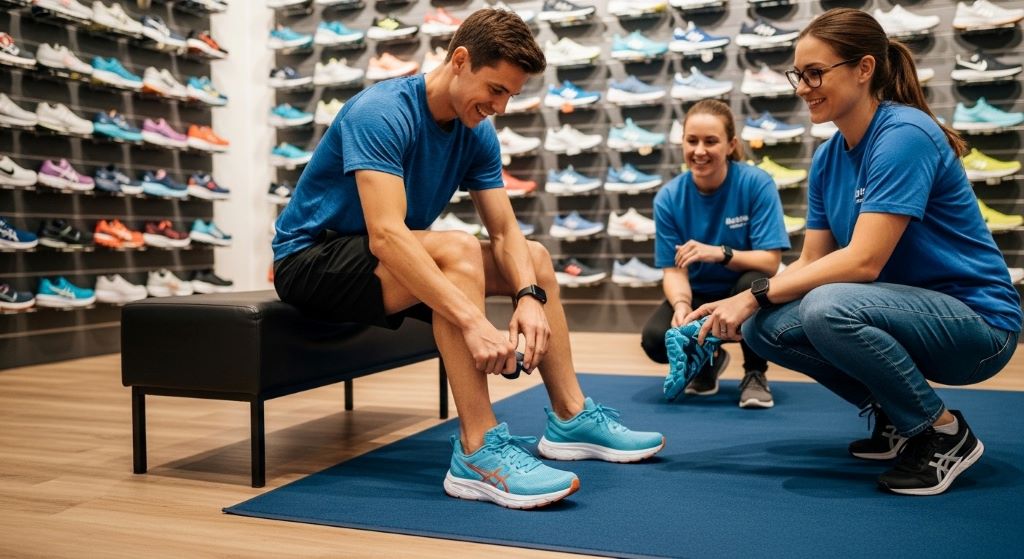
Additionally, your gait pattern influences which shoes work best. Many specialty running stores offer free gait analysis using treadmills and video recording. This simple assessment reveals how your foot strikes the ground and rolls through each step.
Therefore, visiting a specialized store for professional fitting provides valuable insights. Staff members can observe your walking and running patterns, then recommend appropriate options based on their observations.
Key Features to Look for in Starter Running Footwear
Several characteristics distinguish quality options from mediocre choices. First, examine the midsole material, which provides most of the cushioning. Modern technologies include EVA foam, polyurethane, and proprietary compounds developed by major brands.
The heel-to-toe drop represents another important specification. This measurement indicates the height difference between the heel and forefoot. Most beginner-friendly running shoes feature drops between 8mm and 12mm, which feels natural for people transitioning from regular walking shoes.
Furthermore, consider the shoe’s weight. Heavier shoes often provide more cushioning and support, making them ideal for newcomers who prioritize protection over speed. Lighter models suit experienced runners focused on performance rather than maximum comfort.
Breathability also matters, especially if you run in warm climates or tend to have sweaty feet. Mesh uppers allow air circulation, keeping feet cooler and reducing moisture buildup that can cause blisters.
Determining the Right Amount of Cushioning
Finding the sweet spot between too much and too little cushioning challenges many beginners. Maximally cushioned shoes offer the most protection but can feel unstable or mushy to some runners. Minimally cushioned options provide better ground feel but offer less impact absorption.
Most newcomers thrive with moderate cushioning that balances protection and responsiveness. This middle ground protects joints while still allowing you to feel the running surface beneath your feet.
However, your body weight influences optimal cushioning levels. Heavier runners generally benefit from more substantial cushioning to handle greater impact forces. Lighter individuals might find moderate cushioning perfectly adequate.
Listen to your body during test runs. Shoes should feel comfortable immediately, without requiring a lengthy break-in period. Modern running shoes rarely need breaking in, so discomfort during initial tries suggests a poor fit.
Avoiding Common Mistakes When Selecting Your First Pair
Many beginners make preventable errors during the selection process. One frequent mistake involves choosing shoes based purely on appearance rather than fit and function. Attractive colors shouldn’t override proper sizing and support characteristics.
Another common error is buying shoes that are too small. Running shoes should have about a thumb’s width of space between your longest toe and the shoe’s end. Your feet swell during runs, so this extra room prevents painful jamming and black toenails.
Additionally, resist the temptation to purchase the cheapest available option. Quality starter running footwear represents an investment in your health and running longevity. Bargain shoes often lack proper construction and materials, leading to faster wear and inadequate support.
Shopping at the wrong time of day also causes fitting problems. Feet naturally expand throughout the day, so trying on shoes in the evening ensures they’ll fit comfortably even when your feet are at their largest.
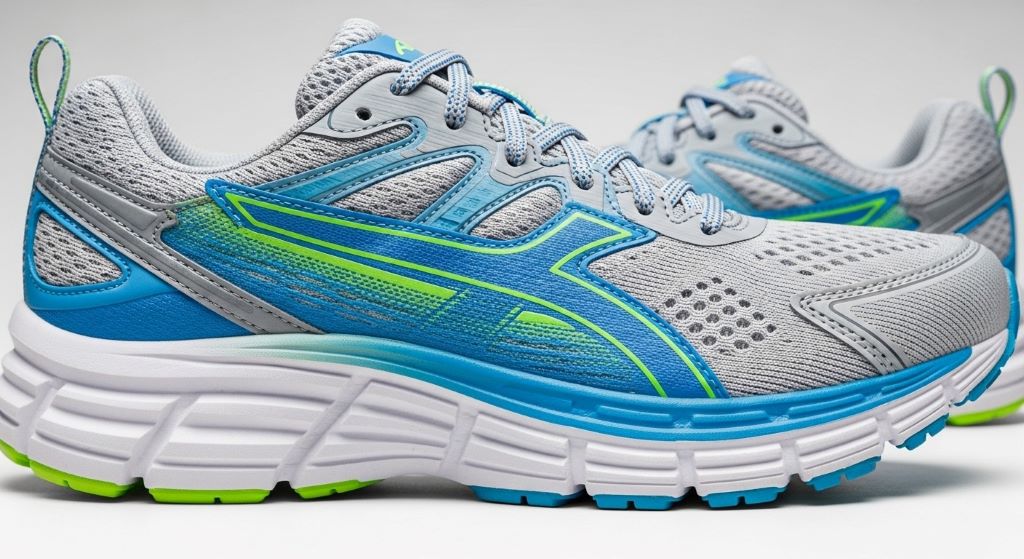
Testing Shoes Properly Before Purchasing
Trying on potential purchases requires more than slipping them on while standing still. Walk around the store extensively, paying attention to any pressure points or rubbing. Many retailers allow customers to jog briefly on treadmills or outside to assess comfort during actual running motion.
Wear the same socks you’ll use for running when testing shoes. Sock thickness affects fit significantly, so using your running socks ensures accurate sizing. If you use orthotics or custom insoles, bring them along to verify they fit properly in potential purchases.
Furthermore, test both shoes, not just one. Feet often differ slightly in size, and trying both ensures a proper fit for each foot. If one foot is noticeably larger, size shoes to fit the bigger foot comfortably.
Don’t rush this process. Spend adequate time evaluating each pair because comfort during a brief try-on session predicts satisfaction during actual runs. Therefore, patient, thorough testing prevents buyer’s remorse and ensures you select shoes that truly suit your needs.
Understanding When to Replace Your Running Shoes
Even the best cushioned running shoes eventually wear out. Most experts recommend replacing them every 300 to 500 miles, depending on your weight, running style, and the surfaces you frequent.
Visual inspection reveals some signs of wear. Check the outsole for smooth areas where tread has worn away. Examine the midsole for creasing or compression that doesn’t bounce back. These indicators suggest diminished cushioning and support.
However, shoes can lose effectiveness before showing obvious external wear. Pay attention to how your body feels during and after runs. New aches or pains in your knees, shins, or feet might signal that your shoes no longer provide adequate protection.
Tracking your mileage helps determine optimal replacement timing. Many running apps automatically log distance, making it easy to monitor when you’re approaching the recommended replacement range.
Considering Your Running Environment and Goals
Where you plan to run influences which shoes work best. Road running demands different features than trail running. Smooth pavement allows lighter shoes with less aggressive tread, while uneven trails require more substantial protection and grip.
Your running frequency and distance goals also matter. Someone planning to run twice weekly for 20 minutes needs different support than a person training for a half marathon. More ambitious goals typically warrant investing in higher-quality options with superior durability.
Additionally, consider seasonal factors. If you’ll run year-round in varying weather, you might eventually need multiple pairs suited to different conditions. However, beginners should start with one versatile pair appropriate for their primary running environment.
Climate affects shoe selection too. Hot, humid areas benefit from maximum breathability. Cold, wet regions might require water-resistant materials or Gore-Tex linings, though these features reduce ventilation.
Budget Considerations Without Compromising Quality
Quality running shoes typically cost between $100 and $180, though some models exceed this range. While this seems expensive, remember that proper footwear prevents injuries that could cost far more in medical bills and lost training time.
However, you don’t always need the newest model. Previous year’s versions often go on sale when brands release updated editions. These older models usually perform nearly identically to current versions but cost significantly less.
Shopping during major sales events like Black Friday or end-of-season clearances yields substantial savings. Many online retailers offer discount codes or loyalty programs that reduce costs for regular customers.
Furthermore, some running specialty stores offer price matching or satisfaction guarantees. Don’t hesitate to ask about these policies before purchasing. Building a relationship with a local store can lead to future discounts and personalized service.
Breaking In Your New Shoes Gradually
Once you’ve selected the perfect pair, resist the urge to immediately run your longest distance in them. Even though modern shoes rarely require traditional break-in periods, your feet need time to adapt to new support patterns and cushioning.
Start with shorter runs or walks in your new footwear. Gradually increase distance over several sessions, allowing your body to adjust comfortably. This approach prevents blisters and identifies any potential fit issues before they become serious problems.
Additionally, alternating between new shoes and a previous pair (if you have one) eases the transition. This rotation extends the life of both pairs while giving your feet variety in support patterns.
Monitor how your body responds during this break-in phase. Minor adjustments in fit are normal, but persistent discomfort suggests the shoes might not be right for you. Most retailers accept returns within a reasonable timeframe if shoes prove unsuitable.
Maintaining Your Running Shoes for Longevity
Proper care extends your shoes’ functional lifespan. After muddy or wet runs, remove excess dirt with a soft brush and allow shoes to air dry naturally. Never put running shoes in the dryer, as high heat degrades cushioning materials and adhesives.
Loosening laces before removing shoes preserves the heel counter’s structure. Yanking shoes off without untying them causes the back to collapse, reducing support and shortening the shoe’s usable life.
Furthermore, storing shoes in a cool, dry place away from direct sunlight prevents material degradation. UV rays and excessive heat break down foam compounds, reducing cushioning effectiveness even without use.
Rotating between two pairs of shoes gives each pair time to fully decompress between runs. This practice can extend the total mileage you get from both pairs compared to wearing a single pair exclusively.
Conclusion
Selecting cushioned running shoes as a beginner doesn’t have to be complicated. Focus on proper fit, adequate cushioning for your body type, and features appropriate for your running environment. Visit specialty stores for professional gait analysis and take time testing multiple options thoroughly.
Remember that the most expensive or popular shoes aren’t necessarily the best for your individual needs. Prioritize comfort and support over brand names or aesthetics. Quality beginner-friendly running shoes protect your body during the adaptation process and make running more enjoyable.
By following these guidelines, you’ll find footwear that supports your running journey from those first tentative steps through your eventual progression to confident, regular runner. Your feet and joints will thank you for the careful consideration and investment in appropriate protection.
Frequently Asked Questions
How much should I spend on my first pair of running shoes?
Plan to invest between $100 and $150 for quality running shoes. This price range typically includes well-constructed options from reputable brands with proper cushioning and support. While cheaper alternatives exist, they often lack durability and protective features that prevent injuries. Consider this an investment in your health rather than an expense.
Can I use my running shoes for other activities like gym workouts?
Running shoes are specifically designed for forward motion and may not provide adequate lateral support for activities like tennis, basketball, or aerobics classes. Using them exclusively for running extends their lifespan and maintains their cushioning integrity. For cross-training, consider separate athletic shoes designed for multi-directional movement.
How do I know if my running shoes fit correctly?
Proper fit includes a thumb’s width of space beyond your longest toe, snug heel fit without slipping, and comfortable width across the midfoot without pinching. Your toes should wiggle freely, and the shoe shouldn’t require aggressive tightening of laces to stay secure. There should be no pressure points or rubbing anywhere during a test walk or jog.
Is it necessary to buy expensive insoles separately?
Most quality running shoes come with adequate insoles for beginners. Only purchase custom insoles if you have specific foot conditions diagnosed by a podiatrist or experience persistent discomfort despite proper shoe selection. Many runners never need aftermarket insoles if they choose appropriately designed shoes for their foot type.
How often should beginners replace their running shoes?
Replace your shoes every 300 to 500 miles, or approximately every four to six months for someone running 15 to 20 miles weekly. However, heavier runners or those with aggressive gait patterns may need replacement sooner. Monitor both mileage and physical signs of wear like compressed midsoles or diminished tread.
Related Topics:
No Gym, No Problem! Effective At-Home Workouts Can Do Anywhere, Anytime
The Sweat Sanctuary: Get Pumped With Workout Wisdom and Build a Routine That’s a Perfect Fit