

You have finally decided to buy a mountain bike, but every model you look at comes in confusing sizes like Small, Medium, Large, or measurements like 26-inch, 27.5-inch, and 29-inch. The frustration is real. You know that riding a bike that is too small will leave you cramped and aching, while a bike that is too large will feel like wrestling a wild animal. This is where a reliable mountain bike sizing guide becomes your best friend. The simple truth is that riding the wrong size bike is the number one reason new riders quit. A properly sized bike transforms a painful chore into a joyful, comfortable experience. This guide will teach you exactly how to measure yourself, interpret frame numbers, and avoid the most common sizing mistakes to guarantee you get the perfect fit from day one.
What does mountain bike size actually mean?
Mountain bike size is not a single number. It usually refers to the frame size, which is measured from the center of the bottom bracket to the top of the seat tube. This measurement is often given in inches (S, M, L, XL) or centimeters. However, the wheel size (26, 27.5, or 29 inches) is a separate measurement that affects how the bike rolls over obstacles. Understanding these two distinct measurements is essential. The frame size determines your reach and riding position, while the wheel size influences stability and rollover capability. For most adults, the frame size is the priority for comfort, while wheel size is a performance preference.
Why is getting the right size so critical for comfort?
Riding a mountain bike that fits you properly prevents pain in your back, neck, shoulders, and knees. A correct size allows you to maintain a balanced, efficient posture. When your bike is too small, you will feel cramped, you might hit your knees on the handlebars during sharp turns, and your lower back will ache from being hunched over. When your bike is too large, you will struggle to reach the handlebars, feel unstable, and have difficulty maneuvering on technical terrain. The right size also ensures you can plant your feet flat on the ground when stopping, which builds confidence for beginners. Ultimately, correct sizing is the foundation of every enjoyable ride.
How do I measure my inseam for mountain bike sizing?
Your inseam is the most important measurement for choosing a mountain bike. Stand against a wall with your feet about six inches apart. Place a book between your legs, spine-up, as if you are sitting on a saddle. Pull the book up firmly until it presses against your crotch. Measure the distance from the top of the book to the floor. Write this number down in centimeters. This is your actual inseam. Do not guess or use your pants’ inseam, as that measurement is longer. A precise inseam measurement is the single most reliable data point for determining standover height and frame size.
Using your inseam to find frame size
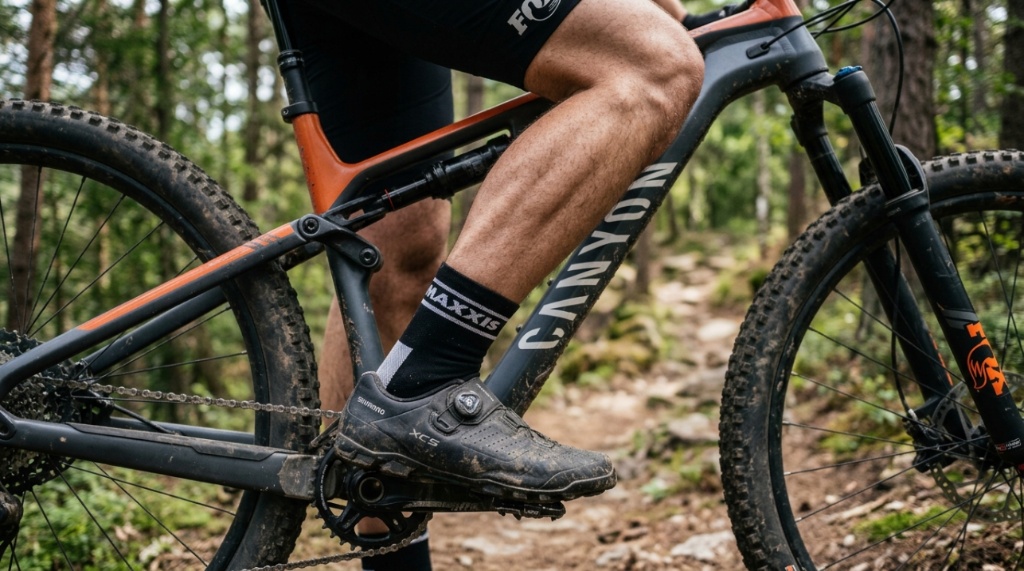
Once you have your inseam in centimeters, multiply it by 0.66 for a rough frame size estimate. For example, an 80 cm inseam multiplied by 0.66 equals a 52.8 cm frame (approximately a medium). This is a starting point. Different brands have slightly different geometry, so always check the specific brand’s size chart. Your inseam also determines if you will have enough clearance over the top tube, known as standover height.
Which frame size should I choose based on my height?
Height is a useful secondary measurement, but it is less accurate than inseam. Here is a general reference for adult mountain bike frame sizes:
| Rider Height (Feet/Inches) | Rider Height (cm) | Recommended Frame Size | Wheel Size (Typical) |
|---|---|---|---|
| 5’0″ – 5’4″ | 152 – 163 | XS – Small | 26″ or 27.5″ |
| 5’4″ – 5’7″ | 163 – 170 | Small | 27.5″ |
| 5’7″ – 5’10” | 170 – 178 | Medium | 27.5″ or 29″ |
| 5’10” – 6’1″ | 178 – 185 | Large | 29″ |
| 6’1″ – 6’4″ | 185 – 193 | XL | 29″ |
| 6’4″ and above | 193+ | XXL | 29″ |
Remember, these are guidelines. A person with long legs and a short torso might need a different size than a person with short legs and a long torso. Always prioritize standover clearance and reach over height charts.
How do wheel sizes affect the fit of a mountain bike?
Wheel size does not change the frame size, but it dramatically changes how the bike feels. 26-inch wheels are nimble and accelerate quickly, making them ideal for smaller riders and tight trails. 27.5-inch wheels offer a balanced blend of agility and rollover capability. 29-inch wheels roll over obstacles more easily and maintain speed better, but they can feel sluggish in tight turns. For maximum comfort, smaller riders (under 5’6″) often feel more confident and in control on 27.5-inch wheels. Taller riders benefit from the stability of 29-inch wheels. Do not force a wheel size that does not match your height and riding style.
Can I adjust a bike that is close to my size?
Yes, you can make small adjustments to fine-tune the fit of a bike that is almost right. You can move the saddle forward or backward, raise or lower the saddle height, swap the stem for a shorter or longer one, and adjust the handlebar angle. These adjustments can fix minor reach or leg extension issues. However, if the frame is too small or too large by more than one size, no amount of adjustment will make it comfortable. For example, if you need a large frame but buy a medium, you will be fighting the bike geometry forever. Small tweaks are for fine-tuning, not for fixing fundamental size mismatches.
Keep in mind that sizing conventions can vary slightly between premium manufacturers. For instance, if you are looking into top-tier brands, you might wonder, Are Specialized Bikes Made in USA? Knowing where and how a brand designs its geometry can give you deeper insight into how their frames will ultimately feel on the trail.
Essential adjustments for fine-tuning fit
- Saddle height: Your leg should be almost fully extended at the bottom of the pedal stroke with a slight bend in your knee.
- Saddle fore/aft: When pedals are level, your forward kneecap should be directly over the pedal axle.
- Stem length: A shorter stem reduces reach and makes steering quicker; a longer stem increases reach and stability.
- Handlebar rise: Higher bars reduce strain on your lower back.
What is reach and why does it matter?
Reach is the horizontal distance from the bottom bracket to the top of the head tube. It determines how stretched out you are on the bike. A longer reach puts you in a more aggressive, aerodynamic position. A shorter reach puts you in a more upright, comfortable position. For trail riding and comfort, most beginners prefer a shorter reach. You can check reach by sitting on the bike and looking down at the front axle. Your handlebars should block your view of the front axle. If you can see the axle clearly in front of the bars, the reach might be too short. If the axle is far behind the bars, the reach is likely too long.
How do I know if a mountain bike is too big or too small?
There are clear physical signs that a bike is the wrong size. If the bike is too small, you will feel like your knees are in the way of the handlebars when you turn, your back will be overly arched, and you will have very little standover clearance. If the bike is too large, you will struggle to reach the handlebars comfortably, feel like you are leaning too far forward, and your hips will rock side to side when pedaling. A proper test ride is the best diagnostic tool. On a correctly sized bike, you should feel balanced, able to look around without neck strain, and able to lift the front wheel easily.
What about women-specific mountain bike sizing?
Women-specific mountain bikes generally have shorter top tubes, narrower handlebars, and saddles designed for wider sit bones. However, the fundamental sizing principles remain the same. A woman who is 5’6″ and has a 30-inch inseam will often fit a medium frame, but she might prefer a women-specific model for the contact points. Many unisex or men’s bikes work perfectly well for women, especially if the rider has a longer torso. The key is to measure your inseam and reach, then test ride the specific model. Do not assume a women’s bike is automatically the right choice for every female rider.
If you are looking for a solid, reliable option that comes in multiple sizes and wheel diameters, you can check out this detailed mountain bike sizing guide + mountain bike for adults to see how the Avasta Earth fits into different rider profiles.
When should I size up or size down on a mountain bike?
Sizing up means choosing a larger frame than your typical fit, while sizing down means choosing a smaller one. Experienced riders sometimes size down for more agility on tight, technical trails. They sacrifice a bit of stability for quicker handling. Beginners should generally size up if they are between sizes, because a larger bike offers more stability and confidence at lower speeds. However, do not size up more than one step. For example, if you are between medium and large, a large is usually safer for a beginner. If you are an aggressive rider who loves descending fast, a larger frame provides more stability. If you love tight switchbacks and jumps, a smaller frame is more playful.
How do I test ride a mountain bike for proper fit?
A proper test ride is more than just rolling around a parking lot. First, check standover height. With your feet flat on the ground, there should be at least one to two inches of clearance between your body and the top tube. Next, pedal while seated. Your leg should extend almost fully without locking your knee. Finally, get into a standing pedaling position. You should be able to move the bike side to side easily without hitting your knees on the bars. If you feel any immediate discomfort in your back, shoulders, or wrists during a five-minute ride, that bike is likely the wrong shape or size for you. Do not accept a bad fit.
Is it worth getting a professional bike fit?
For serious enthusiasts or riders with chronic pain, a professional bike fit is an excellent investment. A professional fitter uses tools like lasers and motion capture to adjust every contact point on the bike. This service can correct subtle issues that you might not notice on a short test ride. For most casual riders, a careful self-measurement and a solid understanding of the sizing principles in this guide will get you 90% of the way there. If you are buying your first mountain bike and have no prior experience, a professional fitting can prevent developing bad habits and discomfort.
Frequently Asked Questions
What size mountain bike do I need for my height?
Use your height as a starting point, but rely more on your inseam measurement. For a rider who is 5’8″ (173 cm), a medium frame (17-18 inches) is usually correct. Always check the brand’s specific size chart because geometry varies.
Can a woman ride a men’s mountain bike?
Yes, absolutely. Many women ride unisex or men’s bikes without issues. The most important factors are standover height, reach, and saddle comfort. If the bike fits your body measurements, the label does not matter.
Is a 26-inch mountain bike good for adults?
Yes, 26-inch wheels are excellent for shorter adults or riders who prioritize agility and quick acceleration. They are less common on new high-end models but are still very capable for trail riding and are often more affordable.
How do I know if my mountain bike is too big?
You will feel stretched out with pain in your shoulders and neck. You will struggle to reach the handlebars, your hips will rock when pedaling, and you will have difficulty lifting the front wheel over obstacles.
Should I buy a mountain bike that is slightly too big?
Only if you are between sizes and prefer stability over agility. A slightly larger bike is safer for beginners because it feels more planted. Avoid buying a bike that is more than one size too large.
What is standover height on a mountain bike?
Standover height is the distance from the ground to the top of the bike’s top tube. You need at least one to two inches of clearance when standing over the bike with your feet flat on the ground for safe and comfortable dismounts.
Does wheel size affect bike size?
No, wheel size and frame size are separate. You can buy a small frame with 29-inch wheels or a large frame with 27.5-inch wheels. Wheel size affects ride feel, not the physical fit of the frame.
Conclusion
Choosing the correct mountain bike size is not complicated, but it requires a few honest measurements and some practical knowledge. Remember, your inseam is your most reliable guide, followed by your height. Prioritize standover clearance and a comfortable reach over any marketing hype. A correctly sized bike will make every ride more enjoyable, safer, and less painful. Do not rush this decision. Take your time, test ride if possible, and make adjustments until the bike feels like a natural extension of your body. Your back, knees, and overall riding confidence will thank you for years to come. Now, go measure your inseam and find the bike that is truly your size.