

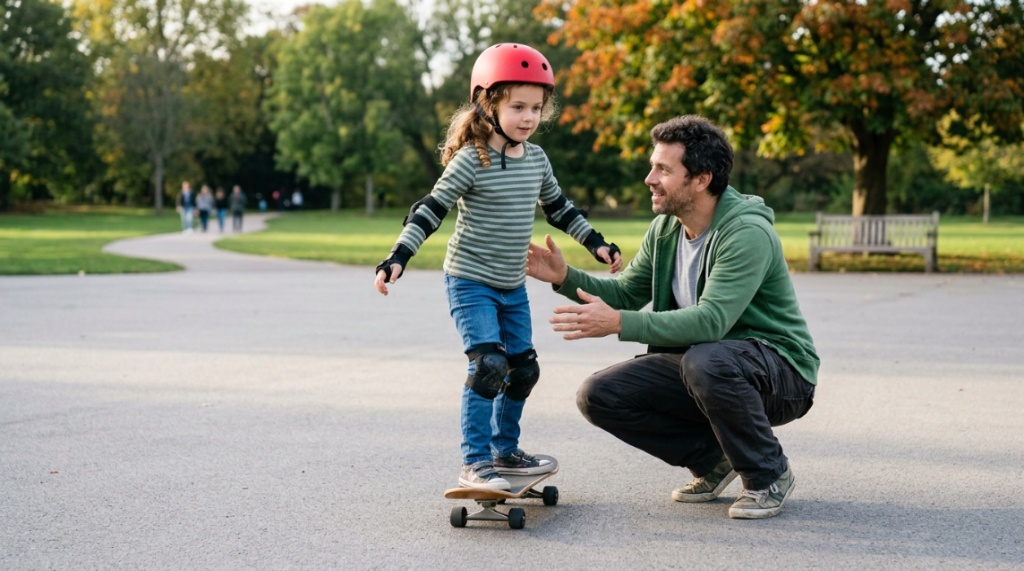
You just bought your child a new skateboard or bike, and now your driveway is the local hotspot. But before they drop in for that first kickflip or pedal down a homemade plywood ramp, you need to stop and think about one thing: safety. The wrong ramp can turn a fun afternoon into a trip to the ER. In Texas, where summer heat warps cheap materials and backyard space varies from Hill Country slopes to flat suburban lots, choosing the right equipment matters more than you think. This guide walks you through exactly how to pick safe ramps Texas kids can use without constant worry, covering materials, weight limits, slope angles, and local climate considerations.
What Makes a Ramp Safe for Kids in Texas?
A safe ramp starts with three non-negotiable features: a non-slip riding surface, solid weight capacity that exceeds your child’s weight by at least 50 pounds, and a design that prevents tipping during use. Texas heat can make metal ramps dangerously hot and degrade low-quality plastics, so material choice becomes a safety issue, not just a comfort preference.
The Non-Slip Surface Requirement
Kids sweat. Texas humidity makes everything slick. A ramp without grip tape, textured coating, or rubberized top sheets becomes a slip hazard the moment dew or sweat hits it. Look for ramps with coarse sandpaper-like surfaces or molded-in traction patterns. Avoid painted wood ramps unless you apply your own anti-slip tape.
Weight Capacity That Accounts for Momentum
A 60-pound kid isn’t just 60 pounds when they hit a ramp at speed. Impact forces can double or triple static weight. Choose a ramp rated for at least 150 pounds even for smaller children. For teenagers up to 120 pounds, aim for a 200-pound or higher rating. This cushion prevents sudden collapse during aggressive riding.
Stability Features That Prevent Rocking
Ramps should have wide bases, rubber feet, or ground anchors. In Texas, where heat expands asphalt and causes uneven ground settling, a ramp that wobbles can dump a rider sideways. Test the ramp on your specific surface before letting your child use it. If it shifts even slightly, add rubber shims or sandbags to lock it in place.
Which Ramp Materials Work Best Under Texas Heat?
Texas summers push outdoor gear to its limit. Ramps sitting in direct sunlight can reach skin-burning temperatures of 140 degrees Fahrenheit or higher. The best materials balance heat resistance, durability, and weight.
Plastic Ramps: Lightweight but Temperature Sensitive
High-density polyethylene (HDPE) ramps resist UV damage better than standard plastics. They stay cooler than metal but can warp under extreme heat if left in direct sun for hours. Always store plastic ramps in the shade or garage between sessions. Avoid cheap recycled plastic blends that become brittle after one summer.
Wood Ramps: Classic but Require Maintenance
Plywood ramps offer excellent grip and moderate heat retention. However, Texas humidity causes rot and delamination in untreated wood. Use exterior-grade marine plywood and seal all edges with waterproof polyurethane. Check for splinters weekly. Wood ramps are heavier and harder to move but provide the most stable ride for beginners.
Aluminum Ramps: Heat Conductors That Need Padding
Aluminum ramps are lightweight and durable but become dangerously hot within 30 minutes of Texas sun exposure. They also lack natural grip. Always pair aluminum ramps with a rubber mat or grip tape on the riding surface. Never let children ride barefoot or in open-toe shoes on aluminum, Beginner Skateboard Buying Guide 2026
How Do Slope and Incline Affect Safety for Young Riders?
Ramp angle determines whether your child learns controlled riding or gets launched into an uncontrolled fall. For beginners, a 15 to 20-degree incline is ideal. Steeper ramps above 30 degrees require existing balance skills and strong core muscles.
Low-Angle Ramps for Ages 4 to 8
Young children lack the leg strength and coordination for steep transitions. A ramp that rises 6 to 8 inches over a 3-foot length provides enough lift to learn basic weight shifting without generating dangerous speed. Look for ramps labeled as “micro” or “beginner” with a rise-to-run ratio of 1:3 or shallower.
Medium-Angle Ramps for Ages 8 to 13
Older kids ready for ollies and small airs need ramps between 20 and 25 degrees. At this angle, they gain enough speed for tricks but still maintain control. Ensure the ramp has a flat landing section at least 4 feet long so they can roll out safely rather than stopping abruptly at the base.
Adjustable Ramps That Grow with Your Child
Some manufacturers now offer ramps with interchangeable hinge systems that let you change the angle from 15 to 30 degrees. These are worth the investment because they eliminate the need to buy new equipment every growth spurt. Check that locking mechanisms are metal, not plastic, to prevent angle shifts mid-ride.
Can Texas Weather Damage Ramps and Create Hazards?
Yes. Texas weather ranges from 100-degree summers to freezing winter nights and sudden thunderstorms. This cycle causes material expansion and contraction that loosens bolts, warps surfaces, and creates cracks. A ramp that looked perfect in May can become dangerous by August.
UV Degradation on Plastic and Composite Ramps
Continuous sun exposure breaks down plastic polymers. Over time, ramps become brittle and develop micro-fractures that catch wheel edges. Apply UV protectant spray monthly during summer. Replace any ramp that shows surface crazing or white discoloration, which indicates material breakdown.
Thermal Expansion of Metal Fasteners
Bolts and screws expand in heat and contract in cool weather. This loosens joints. Inspect all hardware before each use. Tighten anything that feels even slightly loose. Use thread-locking compound on critical joints like hinge points and support brackets.
Moisture Damage from Sudden Storms
Texas afternoon thunderstorms can soak a ramp in minutes. Standing water on wood causes rot. On metal, it causes rust that weakens structural points. On plastic, it creates slippery algae growth. Always dry ramps after rain and store them in a covered area when not in use.
How Should You Set Up a Ramp in Your Backyard for Maximum Safety?
Placement is as important as the ramp itself. A perfect ramp on an unstable or crowded surface creates unnecessary risk. Follow these setup rules to create a safe practice zone.
Choose a Level Surface with Adequate Run-Out Space
You need at least 15 feet of clear pavement or concrete in front of the ramp for approach and landing. Remove tripping hazards like garden hoses, toys, or loose stones. The surface should be clean and dry. Asphalt works well but softens in extreme heat, causing wheel drag. Concrete is ideal.
Anchor the Ramp to Prevent Movement
Even heavy ramps can shift during aggressive use. Use sandbags on the back edge, drill anchor stakes into grass, or place the ramp against a fixed structure like a garage wall. Never place a ramp near a swimming pool, street curb, or drainage ditch where a fall could cause more serious injury.
Create a Soft Landing Zone
Lay interlocking foam mats or rubber tiles at the ramp base and landing area. These reduce impact if your child falls backward or forward during a trick. Standard gymnastics mats from sporting goods stores work well. Avoid using grass as a landing surface, because hidden roots and uneven ground cause ankle injuries.
What Safety Gear Complements Safe Ramps for Texas Kids?
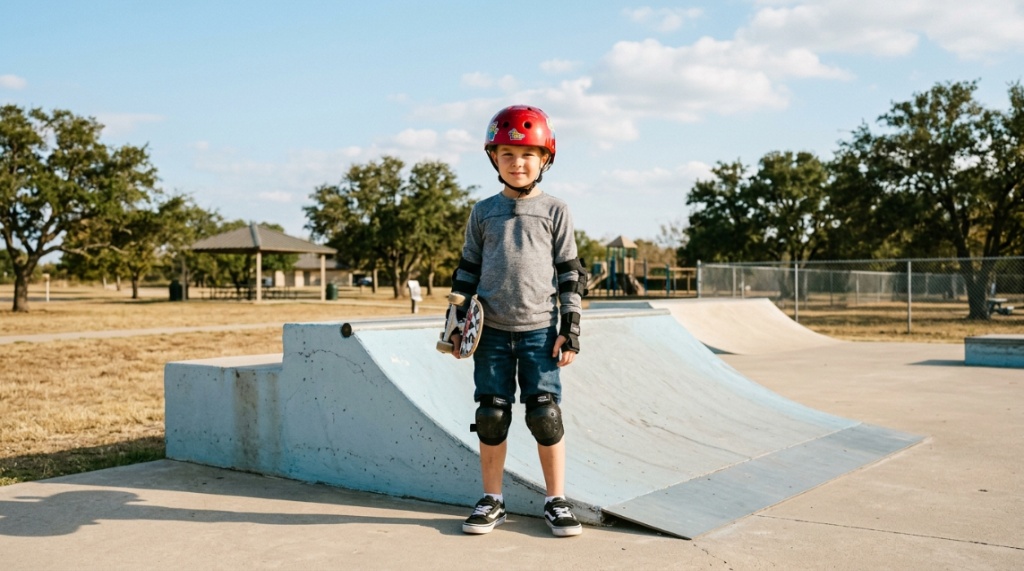
No ramp, no matter how well designed, replaces proper protective equipment. Hot weather makes kids want to skip gear, but the risk of injury remains the same. Thermal comfort and protection must coexist.
Helmets Designed for Ventilation
Standard bike helmets trap heat. Look for skate-style helmets with multiple vents and a snug fit that prevents movement on impact. CPSC and ASTM certification are non-negotiable. Replace any helmet that has been dropped from a height or involved in a crash.
Padded Shorts for Hip Protection
Tailbone and hip fractures are common ramp injuries. Padded shorts worn under regular clothes absorb falls without restricting movement. They are especially valuable for beginners who fall backward frequently. Some brands sell cooling gel inserts that stay comfortable in 100-degree weather.
Elbow and Knee Pads with Sweat-Wicking Liners
Standard pads cause heat rash and skin irritation in Texas humidity. Buy pads with mesh or moisture-wicking fabric interiors. Check that straps do not dig into skin or restrict blood flow. Replace pads that show cracks in the plastic caps.
Which Ramp Features Should You Inspect Before Every Use?
Make pre-session inspections a family habit. A 30-second check can catch problems before they cause injury. Teach your child to do the same check themselves as they get older and more independent.
Check All Bolts, Screws, and Pins
Walk around the ramp and touch every fastener. Tighten anything that moves even slightly. Loose hardware is the most common cause of ramp failure. Carry a multi-tool in your gear bag for quick adjustments.
Examine the Riding Surface for Damage
Look for splinters in wood ramps, cracks in plastic, and delamination in coated surfaces. Run your hand over the entire surface to feel for raised edges or depressions. A smooth, continuous surface prevents wheel catching and falls.
Test Stability with Weight Before Your Child Rides
Press down hard on the ramp center and edges. It should not flex, bow, or tip. Apply sideways force to simulate a rider leaning into a turn. If the ramp shifts, relocate it or add more anchoring before anyone rides.
Where Can You Find Reliable Ramp Options for Texas Families?
Finding a ramp that balances safety, affordability, and Texas climate durability takes research. Many online retailers offer products that work well in other climates but fail under Texas conditions. Focus on specialized shops that understand local needs.
Local Skate and Bike Shops with Texas Experience
Independent shops in cities like Austin, Houston, Dallas, and San Antonio often stock ramps tested in local conditions. Staff can advise on which models hold up to heat and humidity. They also offer assembly services that ensure proper setup from day one.
Online Guides That Compare Climate-Specific Options
Detailed buying guides help you compare ramps based on real user feedback and material testing. One particularly useful resource covers the best affordable options for families. You can find a comprehensive comparison of vetted models designed for durability and safety at safe ramps Texas kids guides. This resource includes breakdowns of material ratings, weight limits, and user reviews specific to Texas environments.
Used Market Precautions
Buying a used ramp saves money but introduces unknown wear. Inspect used ramps for hidden rot, cracked plastic, and rusted bolts. Avoid wood ramps older than two years unless they have been stored indoors. Never buy a ramp that shows obvious damage or homemade modifications that weaken the structure.
How Do You Teach Your Child Safe Ramp Etiquette?
Safety extends beyond equipment. Children need to understand how to use ramps responsibly, especially in shared spaces like skateparks or driveways where siblings and friends ride together.
Communicate Before Dropping In
Teach your child to call out “dropping” before starting down a ramp. This alerts others to stay clear and prevents collisions. Make it a rule that only one person uses the ramp at a time, even if the ramp is wide enough for two.
Learn to Fall Safely
Practice falling on soft surfaces first. Teach children to tuck their arms and roll, not reach out to catch themselves. Wrist fractures are the most common ramp injury among kids. Strengthen this skill with low-risk drills before attempting any tricks.
Set Time Limits to Reduce Fatigue
Tired kids make mistakes. Limit ramp sessions to 45 minutes with a mandatory water break. Texas heat accelerates fatigue, so shorter sessions with cool-down periods reduce crash risk. Watch for signs of dehydration, including dizziness, flushed skin, or irritability.
Can You Build a Homemade Ramp That Matches Store-Bought Safety?
Building your own ramp is possible but requires precision that most DIY projects lack. Professional ramps undergo stress testing and material certification that homemade versions cannot guarantee. If you choose to build, follow tested plans from reputable skate organizations.
Risks of Improper Construction
Incorrect angles create unpredictable launch trajectories. Inadequate support beams collapse under impact. Wrong wood thickness causes flexing that shakes riders off balance. One mistake can turn a fun project into a permanent injury.
When DIY Makes Sense
For families with engineering experience and proper tools, DIY ramps can replicate commercial quality at lower cost. Use only marine-grade plywood, galvanized hardware, and commercial-grade grip tape. Test the ramp with gradually increasing weight before allowing children to use it. Compare your design to professional specs to ensure you meet safety standards.
Frequently Asked Questions
What age can a child start using a skate ramp?
Children as young as three can start on micro ramps under 6 inches high with direct parent supervision. Always consider the child’s balance, leg strength, and willingness to follow safety rules rather than a strict age cutoff.
How often should you replace a kid’s ramp?
Replace any ramp showing cracks, warping, rust holes, or splintered wood immediately. High-quality ramps last three to five years with proper storage. Cheaper plastic ramps may need replacement after one Texas summer.
Do foam ramps provide enough support for real practice?
Foam ramps work well for learning balance and basic weight shifts but do not provide the firm surface needed for wheeled sports. Use them only for indoor practice or as a supplement to hard-surface ramps.
Can you leave a ramp outside in Texas year-round?
No. Even weather-resistant ramps degrade faster when left exposed. Store all ramps in a garage, shed, or covered patio between uses. At minimum, use a heavy-duty waterproof tarp secured with bungee cords.
What is the safest ramp surface for beginner skateboarders?
Medium-grit grip tape applied to smooth plywood offers the best balance of traction and forgiveness. Avoid extra-coarse surfaces that shred knees and cause painful contact injuries during falls.
Should you buy a ramp with a warranty?
Always. A minimum one-year warranty covering material defects and structural failure indicates manufacturer confidence. Avoid no-name brands from general retailers that offer no post-purchase support.
Final Thoughts on Choosing Safe Ramps for Texas Kids
Selecting the right ramp for your child is about more than just finding a deal. It requires matching the ramp material to Texas weather, choosing the correct slope for your child’s skill level, and committing to regular inspections. A well-chosen ramp provides years of active, outdoor fun without constant worry. Start with a beginner-friendly angle, prioritize heat-resistant materials, and always pair the ramp with proper safety gear. Your child’s confidence will grow as they master each new trick, and you will have peace of mind knowing you made a smart, informed choice. safe ramps Texas kids are out there, and now you know exactly what to look for.