

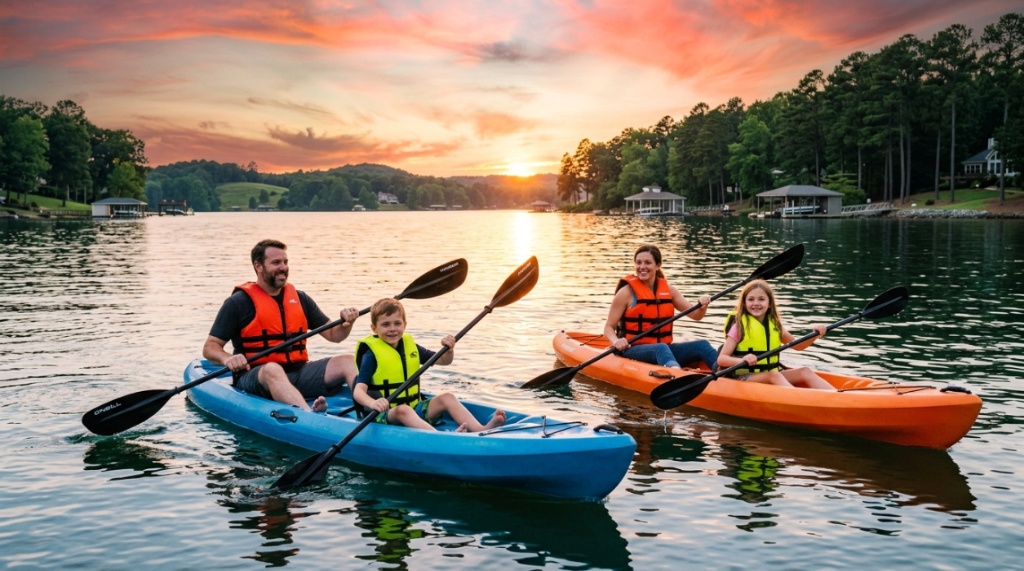
You are standing on the dock in Oriental, the wind picking up across the Neuse River. Your boat is ready, the rods are stowed, but that nagging question lingers: is your life jacket actually going to work when you need it? In North Carolina, choosing the wrong life jacket isn’t just uncomfortable—it can be dangerous. With over 12,000 miles of coastline, countless inland rivers, and the massive sounds of Pamlico and Albemarle, North Carolina waters demand a deliberate choice. This guide will show you exactly how to pick the best life jacket NC has to offer, based on your specific activity, body type, and local conditions.
What Makes a Life Jacket Legal in North Carolina Waters?
Before you buy any flotation device, you must understand the legal standards that apply in NC. The U.S. Coast Guard (USCG) approval is non-negotiable. Every vessel must carry one wearable life jacket of the appropriate size for each person on board. For boats 16 feet and longer, at least one throwable device (Type IV) is also required.
USCG Approval Types Explained
In North Carolina, the vast majority of recreational boaters rely on USCG Type I, II, or III life jackets. Type I provides the most flotation and is best for offshore or rough water. II is a near-shore buoyancy vest. III is the most popular for fishing and paddling because it allows freedom of movement. You will also see V hybrid vests, which must be worn to be counted as legal. Always check the label for USCG approval and size range.
North Carolina Specific Boating Laws
North Carolina law requires all children under 13 years old to wear a securely fastened USCG-approved life jacket while on a moving vessel. There are no specific adult wear laws for recreational boats, but safety experts recommend wearing one at all times. If you are kayaking, canoeing, or paddleboarding, you are still legally required to have a life jacket on board for each person.
Why Local Conditions Matter for Legality
The waters of NC vary dramatically. A calm day on the Cape Fear River can turn rough in minutes. The USCG considers waters like the Atlantic Ocean and large sounds as “rough or remote” where Type I is preferred. Inland waters like Lake Norman or the Haw River are generally considered “calm” where Type III is acceptable. Your legal compliance should match your actual environment, not just the closest label.
How Do You Match a Life Jacket to Your NC Activity?
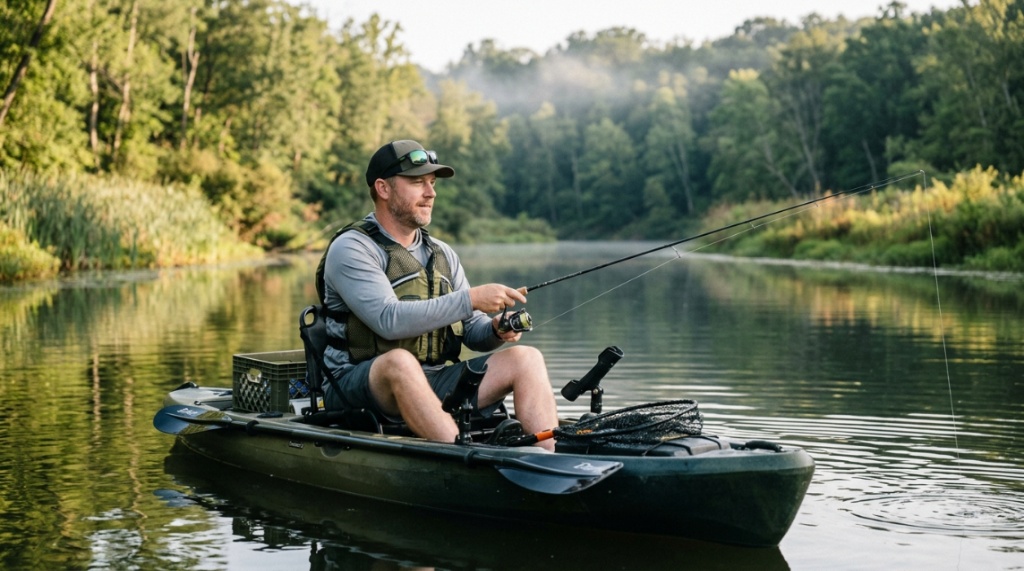
Your choice of life jacket should mirror what you actually do on the water. A bass fisherman on Falls Lake needs different functionality than a kayaker on the Outer Banks. The best life jacket NC users choose is the one they will actually wear for hours at a time.
Life Jackets for Offshore and Inshore Fishing
Offshore anglers in waters like Morehead City or Oregon Inlet should prioritize automatic inflatable life jackets with manual backup. These are comfortable under heavy rain gear and provide 33 to 37 pounds of buoyancy. For inshore fishing in the sounds or rivers, a hybrid inflatable with a low profile works well. For wade fishing, a foam life jacket with pockets for pliers and lures is practical but ensure it is designed for shallow water.
Best Options for Kayakers and Paddleboarders
Kayakers on the Lumber River or paddleboarders at Wrightsville Beach need high-mobility vests. Look for Type III foam vests with multiple adjustment straps. Inflatable belts are popular but require manual inflation. If you paddle in cold water (below 60°F), choose a foam vest because inflatables can malfunction when wet or icy. Paddleboarders often prefer waist-pack inflatables for freedom of movement.
Life Jackets for Children and Youth in NC
Children need youth-specific sizes with smaller armholes and shorter torsos. Look for USCG Type II or III vests with a grab handle on the collar. In NC, children under 13 must wear theirs on moving vessels. Test the fit by having the child raise their arms—the jacket should not ride up over their chin. Do not buy a “bigger” size for growth—it will not keep them safe.
Which Type of Life Jacket Is Best for the North Carolina Coast?
The coast of NC presents unique challenges: strong currents, changing tides, and sudden weather shifts. Your life jacket must handle rough water and potential immersion for extended periods.
Offshore Offshore: Type I Foam vs. Inflatable
Type I foam life jackets are bulky but offer the highest buoyancy (22+ pounds) and will turn most unconscious wearers face-up. Inflatables are more comfortable but require annual maintenance and cartridge checks. For offshore trips out of Hatteras or Cape Lookout, many experienced captains prefer a Type I for worst-case scenarios. For day trips, a Type V inflatable with automatic inflation is widely accepted but must be worn to count legally.
Surf Zone and Inlet Safety
If you are crossing inlets like Beaufort Inlet or New River Inlet, consider a vest with a higher collar to protect your neck. Foam vests are more durable in surf and do not rely on CO2 cartridges. Inflatables can inflate accidentally in rough surf. For surf fishing from the beach, a simple foam Type III or a hybrid inflatable works well, but ensure it does not restrict casting motion.
What About the Pamlico Sound and Large Sounds?
The Pamlico Sound is shallow but can develop steep, short-period waves. A Type III inflatable with 33 pounds of buoyancy is sufficient for most conditions, but consider a vest with a spray hood or reflective tape. In the sound, hypothermia risk is real in spring and fall. Choose a vest that fits snugly over thermal layers without being too tight.
How Do You Ensure a Proper Fit for a Life Jacket in NC?
Fit is the most overlooked safety factor. A life jacket that is too loose will ride up and fail to keep your head above water. A jacket too tight will restrict breathing and movement. Proper fit is the difference between life and death.
Measuring Chest Size Correctly
Measure around the fullest part of your chest, just under your armpits. Do not measure over bulky clothing. Use this measurement against the manufacturer’s size chart. Most adult life jackets come in S/M, L/XL, and XXL. If you fall between sizes, always choose the larger size and adjust straps down.
Testing Fit in Water
If possible, test your life jacket in a controlled environment like a pool or calm lake. Put it on, tighten all straps, and float on your back. If the jacket rides up to your ears or chin, it is too big. For children, have them float with their head back; the jacket should keep their chin above water without excessive effort.
Adjustment Points to Check
Modern life jackets have multiple adjustment points: shoulder straps, side straps, and waist belts. Each should be snug but not tight enough to leave deep marks. After adjusting, have someone lift the shoulders of the jacket; it should stay in place. For inflatables, ensure the inflation mechanism is not obstructed by straps or clothing.
What Are the Key Features to Look for in the Best Life Jacket NC Waters Demand?
North Carolina waters range from 40°F in January to 85°F in August. Your life jacket needs features that match these extremes. Look beyond the price tag and focus on materials and safety add-ons.
Buoyancy Rating and Material
Foam vests range from 15.5 to 22+ pounds of buoyancy. Inflatables offer 33 to 37 pounds. For NC inland waters, 15.5 pounds is minimal but legal for calm waters. For the coast, 22+ pounds or an inflatable is better. Material quality matters: nylon shells are durable; neoprene is more comfortable but heavier. Avoid vests with thin nylon that tears easily on fishing gear.
Reflective Tape and Whistle Attachments
Visibility is critical in low-light conditions common on NC rivers and sounds. Look for USCG-approved reflective tape sewn into the vest. Many life jackets have a whistle attached to the lanyard. If yours does not, attach one yourself. In fog or nighttime on the Neuse River, visibility can drop to zero quickly.
Storage: Pockets and D-Rings
Fishing-specific life jackets often have pockets for tackle, pliers, and line. Hydration bladder compatibility is useful for long days on core sound. D-rings allow attachment of kill switches, lights, or safety lanyards. Be careful not to overload pockets—excess weight in a foam vest can affect buoyancy distribution.
How Do You Maintain a Life Jacket for NC Conditions?
Saltwater, mud, sand, and sun degrade life jackets fast. Proper maintenance extends the life and ensures reliable performance. A neglected life jacket can fail when you need it most.
Rinsing and Drying After Saltwater Use
After every trip in saltwater, rinse your life jacket with fresh water. Use a hose to remove salt crystals and sand. Hang it to dry in the shade—never in direct sun or a dryer. Sunlight degrades the fabric and inflatable bladders. For foam vests, allow air to circulate inside to prevent mildew.
Inspecting Inflatable Mechanisms
Inflatable life jackets must be inspected before every use. Check the CO2 cartridge for corrosion and ensure the release mechanism is clean. Replace the cartridge if the O-ring is worn. Most manufacturers recommend annual servicing by an authorized dealer. In NC’s humid coastal climate, corrosion happens faster than inland.
Storage Recommendations in NC Humidity
Store life jackets in a dry, cool place. Avoid leaving them in a hot car trunk or boat storage compartment where temperatures exceed 120°F. Heat can damage foam buoyancy and degrade inflatable bladders. In NC summer, a boat console can easily reach 150°F. Use a ventilated bag or hang vests in a closet when not in use.
Can You Rent vs. Buy a Life Jacket in North Carolina?
Many visitors to NC’s coastal areas face the dilemma of renting equipment versus buying. The answer depends on frequency of use and the specific activity.
When Renting Makes Sense
If you are visiting the Outer Banks for a single kayaking trip or a day of paddleboarding, renting from a local outfitter is convenient. Many rental shops in places like Nags Head or Wilmington provide USCG-approved vests. However, rental jackets often show wear: broken straps, faded reflective tape, or weak zippers. Inspect the rental thoroughly before accepting it.
When Buying Is the Better Investment
If you plan to fish, boat, or paddle more than three times a year in NC, buying your own best life jacket NC is safer and more economical. You can choose a vest that fits your body perfectly, matches your activity, and has the features you need. Over multiple trips, the cost of renting equals or exceeds the price of a good inflatable vest.
Rental Risks to Consider
Rental life jackets may have questionable maintenance records. Inflatables are rarely serviced properly between renters. Foam vests may have compressed foam that reduces buoyancy. If you are unfamiliar with the brand, you might end up with a jacket that fits poorly. For children especially, renting is risky because fit is critical.
How Do You Choose a Life Jacket for Different Water Temperatures in NC?
Water temperature in NC changes dramatically between seasons. In winter, the sounds can drop to 40°F. In summer, the Gulf Stream warms to 80°F. Your life jacket choice must account for cold water survival.
Cold Water (Below 60°F) Considerations
In cold water, foam life jackets are preferred because inflatables may fail if the CO2 cartridge freezes or the mechanism jams. Foam vests also provide some insulation, though limited. For winter fishing in the Pamlico Sound or Neuse River, wear a foam vest over thermal layers. Add a waterproof jacket on top to reduce wind chill. Hypothermia can set in within minutes in 50°F water.
While choosing a high-mobility life vest ensures you can cast comfortably all day without restriction, pairing it with the right gear maximizes your efficiency. If you want to clear the shoreline reeds effortlessly from your seat, check out our guide on how to get Better Casting Distance With a Budget Fishing Reel
Warm Water (Above 70°F) Options
In warm summer months, inflatable life jackets are comfortable and less restrictive. They allow air circulation and do not trap heat. Foam vests can become sweaty and uncomfortable. For wakeboarding or tubing on Lake Gaston or Jordan Lake, an inflatable is ideal. For kayaking in creeks, a low-profile foam vest is also fine.
How to Layer a Life Jacket in Transitional Seasons
Spring and fall in NC bring variable conditions. Wear a foam vest that fits over a thin fleece or wicking layer. Inflatable vests with manual inflation allow you to wear them over a jacket without adding bulk. Always test the fit with the layers you plan to wear on the water. A jacket that fits over a t-shirt might be too tight over a sweater.
Which Brands Consistently Rank as the Best Life Jacket NC Options?
Not all brands perform equally in NC’s unique conditions. Local knowledge and field testing point to a few reliable manufacturers that stand up to saltwater, sun, and heavy use.
Mustang Survival: The Standard for Coastal NC
Mustang Survival is a trusted brand among commercial fishermen and serious anglers in NC. Their inflatable vests feature hydrostatic inflation, which only activates when submerged. This prevents accidental inflation in rain. The HIT series offers high visibility and comfort for long days on the water.
NRS: Top Pick for Paddlers and Kayakers
NRS (Northwest River Supplies) makes rugged foam vests popular with kayakers on the Cape Fear and Neuse Rivers. The NRS Chinook has many pockets and adjustment points. The NRS Ninja is a low-profile vest good for fishing. These vests hold up to frequent saltwater rinsing and resist mildew.
Stearns: Budget-Friendly but Reliable
Stearns is a mainstream brand found in many NC marine stores. Their “Sospenders” line is affordable for inflatables. Foam vests from Stearns are basic but legal. However, inspect them carefully for stitching quality. For occasional use on calm inland waters, Stearns is sufficient. For demanding coastal use, invest in a higher-end brand.
How Do You Test a Life Jacket Before Buying in NC?
You should never buy a life jacket without trying it on—preferably in a store where you can move around. Many marine retailers in NC allow test fitting.
What to Check During a Test Fit
Put on the jacket and tighten all straps. Raise your arms above your head—the jacket should not hit your chin. Bend at the waist; it should not ride up. Sit in a chair to simulate a boat seat; the lower back should not be uncomfortable. If the jacket has a crotch strap, use it; many high-buoyancy vests require one for proper fit.
Physical Movement Simulation
Walk around the store, swing your arms as if casting a fishing rod, and rotate your torso. For paddling, simulate a paddling motion. The jacket should not restrict your movement. If you feel pinching or chafing, try a different size or style. A life jacket that is uncomfortable to wear will likely stay in the locker.
Checking Return Policies for Online Purchases
If you buy online, verify the store’s return policy. Many allow returns within 30 days if the jacket is unused and tags attached. Some specialty fishing shops in NC offer free exchanges for sizing. Avoid buying from third-party sellers with strict no-return policies for safety gear.
What Are Common Mistakes People Make When Choosing Life Jackets in NC?
Even experienced boaters make errors. Awareness of these pitfalls can help you avoid them.
Buying the Wrong Size for Body Type
The most common mistake is buying a jacket that fits “good enough.” A jacket designed for a 200-pound person will not keep a 140-pound person safe. Chest size is the primary measurement; weight is secondary. Women often need jackets designed for a smaller chest circumference with shorter torso length. Many brands now offer women’s-specific models.
Ignoring Activity-Specific Needs
A bass fishing vest is not ideal for offshore trolling. A racing life jacket is not good for children. Each activity has specific requirements: pockets for fishing, low profile for kayaking, high-buoyancy for rough water. Do not use a universal “one-size-fits-all” approach. Matching the jacket to the activity is essential for safety and comfort.
Neglecting Annual Inspections
Inflatable life jackets require annual replacement of the CO2 cartridge and re-arming kit. Neglecting this leads to malfunction. Foam jackets degrade over time; check for compressed foam or tears. Set a reminder each spring to inspect all life jackets in your possession. A jacket that fails inspection belongs in the trash, not on your boat.
Frequently Asked Questions
Do I have to wear a life jacket on a kayak in NC?
Yes, North Carolina law requires that each person on a kayak or canoe have a USCG-approved life jacket on board. Children under 13 must wear theirs. While not legally required for adults to wear at all times, wearing it is strongly recommended for safety.
Can I use an inflatable life jacket in North Carolina?
Yes, inflatable life jackets are legal in North Carolina as long as they are USCG-approved Type III, Type IV, or Type V. They must be worn to count as legal equipment. Some are approved for manual or automatic inflation. Check the label for approval and size range.
What is the best life jacket for fishing in NC sounds?
For fishing in the Pamlico or Albemarle Sound, a USCG Type III inflatable vest with manual backup is popular. It provides 33 to 37 pounds of buoyancy and allows freedom of movement. A foam vest with pockets is also a good choice for inshore fishing. Consider the conditions and your comfort level.
How often should I replace my life jacket?
Replace foam life jackets every 5 to 7 years or immediately if the foam is compressed or fabric is torn. Inflatable life jackets should have the CO2 cartridge and re-arming kit replaced annually, and the entire unit replaced every 5 to 10 years according to the manufacturer. Inspect before every use.
Are life jacket requirements different for paddleboards in NC?
Yes, paddleboards are considered vessels in NC. Each paddleboarder must have a USCG-approved life jacket on board. Many paddleboarders use a waist-pack inflatable for comfort. Children under 13 must wear theirs. A whistle or sound-producing device is also required.
What buoyancy rating do I need for NC coastal waters?
For coastal waters like the Atlantic Ocean or large inlets, choose a life jacket with at least 22 pounds of buoyancy (Type I foam) or 33 pounds (inflatable). For sounds and inland rivers, 15.5 to 22 pounds is adequate in calm conditions. Always check the label for the intended use category.
Can I use a used life jacket in NC?
You can use a used life jacket if it is in good condition: no tears, working zippers, intact foam, and properly functioning inflatable mechanism. Ensure the USCG approval label is still legible. Do not use a used life jacket if the foam is compressed or the inflatable mechanism appears corroded.
Conclusion
Choosing the best life jacket in North Carolina is not about picking the most expensive or the most popular model. It is about matching the jacket to your specific body, activity, and water conditions. Start by understanding the legal requirements: USCG approval and appropriate size for each person. Then consider the type of fishing, paddling, or boating you do. For the coast, prioritize buoyancy and comfort. For inland waters, focus on mobility and fit. Always test the fit before buying and inspect your gear regularly. A properly chosen life jacket is not a burden—it is the most important safety tool on your boat. Do not settle for less than the best life jacket NC waters require for your safety.