
Starting a home improvement project feels exciting. You have a vision for your space, and you are ready to make it happen. However, standing in a hardware store surrounded by hundreds of tools can quickly feel overwhelming. Where do you even begin?
The truth is that picking the right tools does not have to be complicated. With a little planning and the right knowledge, you can build a practical toolkit that handles almost any job around the house. This article will guide you through the entire process step by step. Therefore, by the time you finish reading, you will feel confident and prepared to tackle your next project.
Why Having the Right Tools Makes All the Difference
The right tool makes a job easier, faster, and safer. This sounds simple, but many homeowners underestimate how much tools affect the quality of their results. Using a makeshift solution might work in the short term. However, it often leads to mistakes, wasted materials, and frustration.
Think about driving a screw with a kitchen knife because you cannot find a screwdriver. It might turn, but the screw head gets damaged in the process. Now you have a problem that is harder to fix than the original one. The right tool would have taken seconds and left everything intact.
Additionally, proper tools protect you. A sharp chisel cuts cleanly and requires less force than a dull one. Less force means less chance of slipping and getting hurt. Therefore, investing in the right renovation tools is an investment in your safety as much as your home.
Start by Assessing Your Projects and Skill Level
Before you buy anything, think about what you actually plan to do. Your tool needs depend entirely on the type of work you have in mind. A person painting walls needs very different tools from someone building a deck.
Make a list of the projects you want to complete in the next six to twelve months. Be as specific as possible. Instead of writing “fix the bathroom,” write “replace bathroom faucet” or “re-tile shower wall.” Each task has its own tool requirements.
Your skill level also matters. Beginners should start with basic hand tools before moving on to power tools. Power tools are faster and more efficient. However, they require more experience to use safely. Therefore, be honest with yourself about where you are starting from.
Building Your Essential Hand Tool Collection
Every homeowner needs a core set of hand tools. These are the tools you will reach for again and again, no matter what project you are working on. They require no batteries, no cords, and very little maintenance.
Measuring and Marking Tools
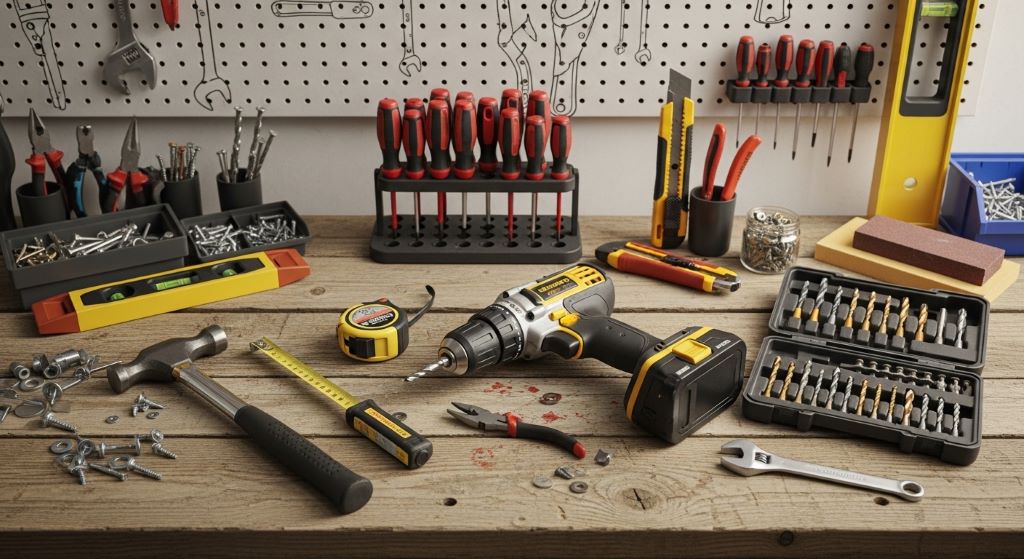
Accurate measurements are the foundation of any successful project. A tape measure is essential. Get one that is at least 25 feet long with a wide blade, so it stays rigid when extended. A combination square helps you mark straight lines and check for right angles. A pencil or chalk line completes this basic set.
Fastening and Driving Tools
You will need a good set of screwdrivers in various sizes and head types. Phillips and flathead are the most common. A hammer is equally important. Choose one that feels comfortable in your hand, usually around 16 ounces for general use. Additionally, a set of hex keys, also known as Allen wrenches, handles furniture assembly and many appliance repairs.
Cutting and Shaping Tools
A utility knife with replaceable blades handles countless tasks. It cuts drywall, trims insulation, scores tile, and opens packages. A handsaw is useful for cutting lumber without needing a power saw. Pliers in a few different styles round out this category nicely.
Leveling and Alignment Tools
A spirit level ensures your shelves are straight and your pictures hang evenly. Even a basic two-foot level will handle most home tasks. For larger projects, a laser level offers more precision and saves significant time. Therefore, consider upgrading once your projects get more ambitious.
When to Invest in Power Tools
Power tools transform how quickly and easily you can complete projects. However, they are a bigger investment and require more care. The right time to buy a power tool is when you have a specific, recurring need for it.
For example, if you plan to hang dozens of items on walls, a cordless drill will save you enormous time and effort. If you are cutting multiple pieces of lumber, a circular saw is worth every penny. However, if you only need to cut one board once, borrowing or renting makes more sense.
The Cordless Drill Driver
The cordless drill driver is the most versatile power tool a homeowner can own. It drills holes and drives screws with speed and precision. Look for one with variable speed settings and a clutch that lets you control driving depth. An 18-volt model with two batteries gives you plenty of power without being too heavy.
The Circular Saw
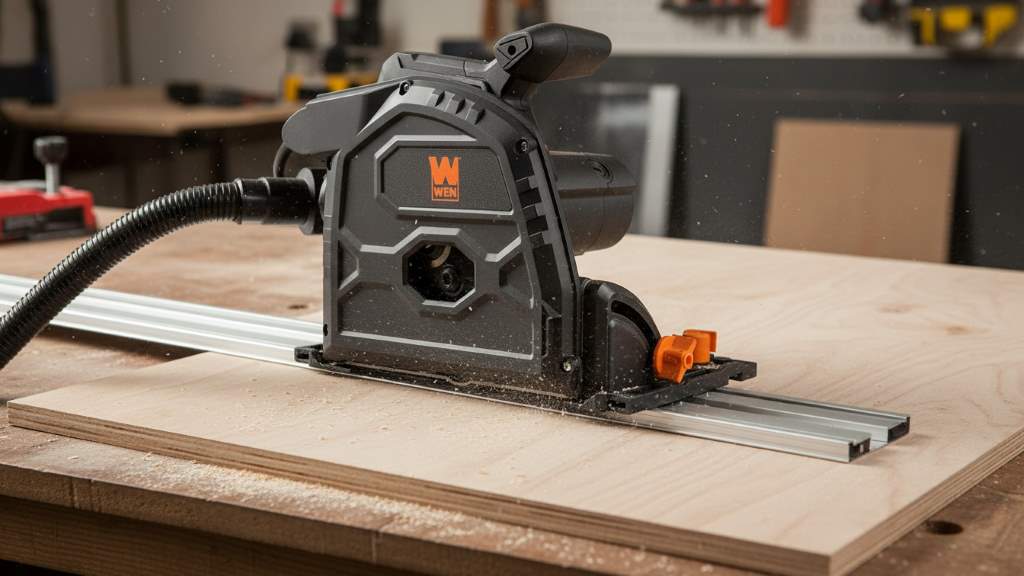
A circular saw cuts through lumber quickly. It handles most DIY upgrades that involve framing, building furniture, or installing flooring. Choose a model with an adjustable base plate for bevel cuts and a blade guard for safety. A 7.25-inch blade handles almost any residential cutting job you will encounter.
The Random Orbital Sander
Sanding by hand is tedious and inconsistent. A random orbital sander removes material quickly and leaves a smooth finish. It works on wood, drywall patches, and painted surfaces. Additionally, it is one of the easiest power tools for beginners to use safely.
The Jigsaw
A jigsaw cuts curves and complex shapes that a circular saw cannot handle. It is ideal for cutting outlet holes in countertops, trimming door panels, and creating decorative shapes. Therefore, if your projects involve anything beyond straight cuts, a jigsaw is a smart addition.

Understanding Tool Quality Tiers
Not all tools are created equal. Understanding the three main quality tiers will help you make smarter purchases and avoid regret.
Consumer-grade tools are designed for light, occasional use. They are the most affordable option and work fine for simple home tasks. However, they wear out faster under heavy use.
Prosumer tools sit in the middle. They offer better durability and performance without the premium price of professional gear. For most homeowners who enjoy regular DIY upgrades, this tier offers the best value.
Professional-grade tools are built for daily, heavy use. They last longer and perform better, but they cost significantly more. Unless you work on major projects constantly, professional tools are likely more than you need.
Additionally, sticking to one or two trusted brands lets you build a battery ecosystem. Many cordless power tools share batteries within the same brand family. This saves money and simplifies your setup over time.
Smart Shopping Strategies for Home Improvement Tools
Buying tools wisely means getting the best value for your money. There are several strategies that consistently deliver results.
- Buy combo kits for power tools. These sets bundle a drill, saw, and other tools with batteries and a charger at a significant discount over buying each item separately.
- Shop during holiday sales. Major tool brands offer their deepest discounts around major holidays, especially in late spring and late autumn when home improvement projects are most popular.
- Consider refurbished tools. Many manufacturers sell factory-reconditioned tools with full warranties at reduced prices. These perform just like new ones at a fraction of the cost.
- Rent specialty tools. Items like tile saws, pressure washers, and floor sanders are expensive and rarely used. Renting these makes far more financial sense than buying them outright.
- Read reviews from verified buyers. Look for patterns in feedback rather than individual opinions. If many reviewers mention the same weakness, take it seriously.
Organizing and Storing Your Tools Properly
A tool you cannot find is a tool you do not have. Good organization saves time and protects your investment. Start with a basic toolbox or tote bag for your hand tools. Keep it in one consistent location so you always know where to look.
As your collection grows, consider a rolling tool chest with drawers. These offer plenty of organized space and move easily around a workspace. Additionally, a pegboard mounted on a garage wall keeps frequently used tools visible and accessible.
Store power tools in their original cases whenever possible. The cases protect them from dust and damage. They also keep all the accessories together in one place.
Proper storage also means keeping tools dry. Moisture causes rust and damages electrical components. Therefore, a climate-controlled space, even just a dry garage, is far better than a damp shed.
Safety Essentials Every Tool User Needs
No tool collection is complete without personal protective equipment. Safety gear protects you from the most common workshop injuries and should never be an afterthought.
- Safety glasses protect your eyes from flying debris, dust, and splinters. Wear them whenever you cut, drill, grind, or sand.
- Hearing protection is essential when using loud power tools. Even short exposure to high noise levels can cause long-term hearing damage.
- Work gloves protect your hands from cuts, splinters, and blisters. Choose a pair that fits well and does not reduce your grip.
- A dust mask or respirator protects your lungs when sanding, cutting, or working with chemicals.
- Steel-toed boots prevent foot injuries if you drop heavy tools or materials.
Additionally, always read the manual before using an unfamiliar tool. Understanding how something works before you turn it on is the simplest form of injury prevention.
Choosing the Right Renovation Tools for Specific Home Projects
Different projects call for different tools. Here is a quick breakdown to guide your decisions based on the most common home improvement tasks.
For painting, you need quality brushes in multiple sizes, a roller frame with covers, a paint tray, painter’s tape, and a drop cloth. A paint sprayer is optional but speeds up large projects significantly.
For tiling, you need a tile cutter or wet saw, notched trowel, grout float, tile spacers, a rubber mallet, and a level. These are all specialty tools worth renting if you only plan one tiling job.
For plumbing repairs, basic tools include an adjustable wrench, pipe wrench, plunger, plumber’s tape, and a basin wrench for hard-to-reach nuts under sinks. However, for anything involving pipe replacement or gas lines, always hire a licensed professional.
For drywall work, you need a drywall saw, corner bead, joint compound, a mud pan, and a set of drywall knives in different widths. A sanding sponge finishes the surface smoothly before painting.
Therefore, always research the specific tool list for each project before you shop. This prevents you from buying tools you do not need and ensures you have everything required to finish the job properly.
Conclusion
Picking the right home improvement tools does not need to be stressful. The process becomes straightforward when you approach it with a clear plan. Start by identifying your projects and skill level. Then build your hand tool collection before adding power tools as your needs grow.
Focus on quality within your budget. Stick to trusted brands and buy combo kits to save money. Organize and store your tools properly so they last for years. Additionally, never skip on safety gear, as protecting yourself is always the first priority.
With the right renovation tools in hand and a smart shopping strategy, any home project becomes more achievable. Every tool you add to your collection is a step toward greater independence and confidence as a homeowner. Start small, build steadily, and enjoy the process.
Frequently Asked Questions
1. What tools should a first-time homeowner buy first?
Start with the essentials: a hammer, screwdriver set, tape measure, utility knife, level, and pliers. These handle the vast majority of basic home tasks. Once you feel comfortable with these, add a cordless drill as your first power tool. This core set covers most everyday repairs and small projects.
2. Is it better to buy tools individually or in a set?
Sets often offer better value when you are starting out. A beginner hand tool set or a power tool combo kit gives you multiple useful items at a lower combined price. However, as your skills grow, buying individual tools lets you choose the specific quality and features you need for each task.
3. How do I know if a tool is safe to use?
Always read the instruction manual before using any new tool. Check that all safety guards are in place and functioning. Inspect the tool for damage before each use. Additionally, wear the appropriate protective gear for the task. If a power tool sparks unexpectedly or feels unusual to operate, stop using it and have it inspected.
4. Should I buy corded or cordless power tools?
Cordless tools offer far more convenience and mobility for most home tasks. Modern battery technology means cordless tools have enough power for all common DIY upgrades. However, corded tools are better for tasks that require sustained, high-power performance, such as extended routing or grinding. For general homeowner use, cordless is usually the better choice.
5. How do I maintain my tools to make them last longer?
Clean tools after every use. Remove sawdust, dirt, and debris before storing them. Keep metal parts lightly oiled to prevent rust. Sharpen cutting blades and drill bits regularly, as dull tools require more force and create more risk. Store everything in a dry place and recharge batteries at the correct voltage to preserve battery life.
Related Topics:
Can the WEN 7.25” Track Saw Replace a Professional-Grade Saw?
How to Remove Rust from Cast Iron: The Ultimate Guide to Restoring Your Cookware