
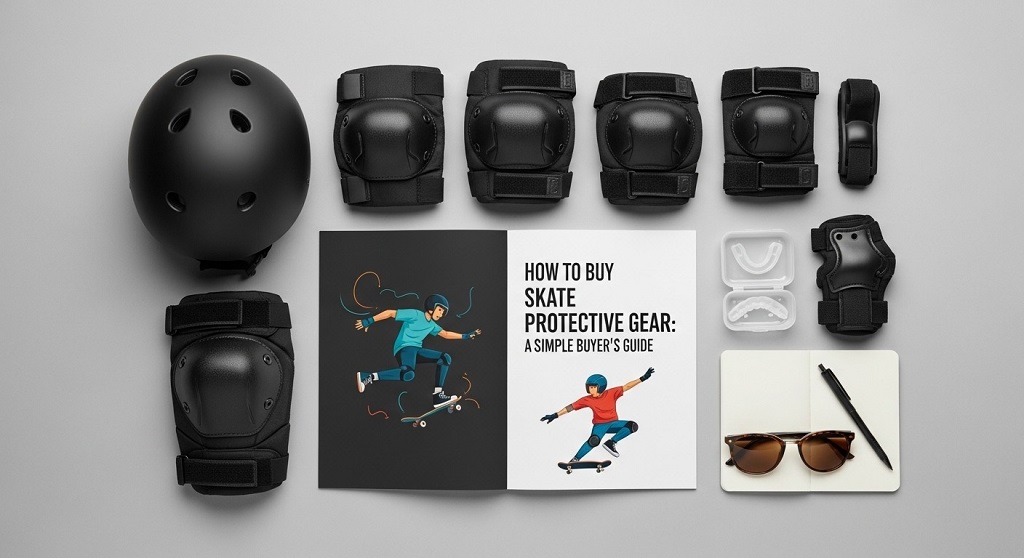
Skate protective gear includes helmets, wrist guards, knee pads, and elbow pads designed to reduce injury risk while skateboarding, roller skating, or inline skating.
Falls are part of skating. Even experienced skaters fall. According to injury surveillance data from emergency departments, wrist fractures, head injuries, and knee trauma are among the most common skate-related injuries. The good news? Studies consistently show that proper protective gear significantly reduces both injury frequency and severity.
This skate safety buying guide is built for beginners, parents, and casual skaters who want clarity—not marketing hype. You’ll learn what gear you actually need, how to choose the right size, what safety certifications matter, and how to avoid common buying mistakes.
The goal is simple: help you skate longer, safer, and with confidence.
What Problems Do Skaters Face Without Proper Protective Gear?
Without proper gear, skaters face a high risk of preventable injuries.
Many skaters skip protection because it feels uncomfortable, looks bulky, or seems unnecessary for “short rides.” That assumption causes problems.
- Head injuries from unexpected falls
- Wrist fractures from instinctive hand impact
- Knee and elbow abrasions that limit mobility
- Long recovery times that stop skill progression
Case studies from youth sports safety programs show that helmet use alone can reduce head injury risk by over 60%. Wrist guards have been linked to lower fracture rates in both kids and adults.
Protective gear is not about fear. It’s about risk control.
What Skate Protective Gear Do You Actually Need?
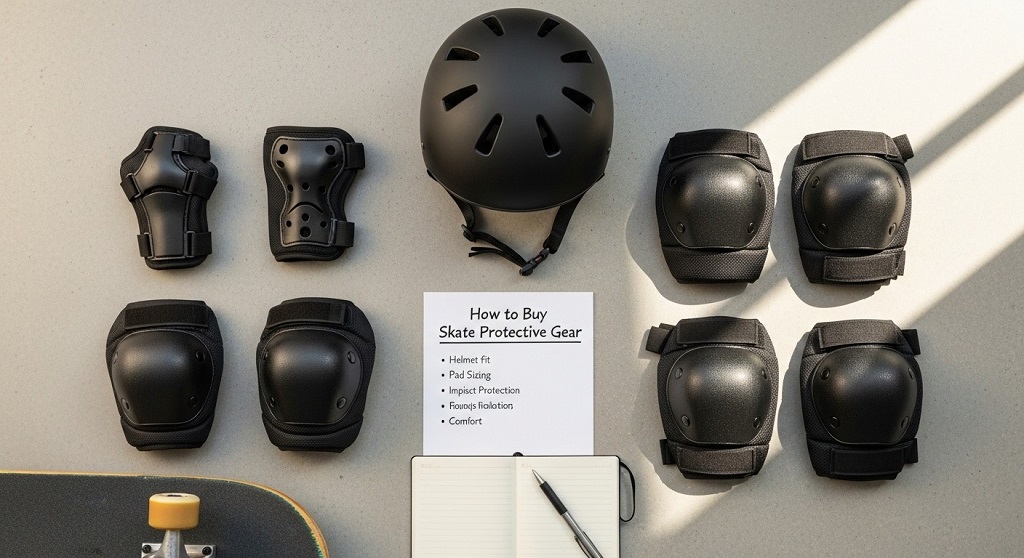
The essential skate protective gear set includes a helmet, wrist guards, knee pads, and elbow pads.
Helmet
A helmet protects against head trauma. This is non-negotiable.
- Look for multi-impact helmets for skate use
- Avoid bike-only helmets for skateboarding
- Must cover the back of the head properly
Wrist Guards
Wrist injuries are the most common skate-related injury.
- Choose guards with rigid splints
- Ensure full palm coverage
- Snug fit without cutting circulation
Knee Pads
Knee pads absorb direct impact and allow safe slide-outs.
- Thick foam padding is essential
- Hard caps help disperse force
- Straps should not loosen while skating
Elbow Pads
Elbow pads reduce fractures and road rash.
- Match padding thickness to skill level
- Check full joint coverage
How Do You Choose the Right Helmet for Skating?
Choose a skate helmet that meets safety certifications and fits securely.
Not all helmets are equal. Skating helmets are designed for multiple low-speed impacts, unlike bike helmets that focus on single high-speed impacts.
What Certifications Should You Look For?
- CPSC (Consumer Product Safety Commission)
- ASTM F1492 (skateboarding standard)
- EN 1078 (European standard)
How Should a Helmet Fit?
- Sits level on the head
- No rocking front to back
- Chin strap snug with one-finger space
If a helmet moves, it won’t protect properly.
How Do You Pick the Right Size for Pads and Guards?
Correct sizing ensures protection works as intended.
Ill-fitting gear causes two problems: reduced protection and discomfort that leads to skipping gear altogether.
Measuring Tips
- Measure joint circumference with a soft tape
- Follow brand-specific size charts
- If between sizes, size up for comfort
Protective gear should feel snug but not restrict movement or blood flow.
What Materials and Build Quality Should You Look For?
Good skate protective gear balances impact absorption, durability, and comfort.
| Component | What to Look For |
|---|---|
| Padding | High-density EVA or memory foam |
| Caps | Hard plastic for impact distribution |
| Straps | Elastic with reinforced stitching |
| Lining | Breathable, moisture-wicking fabric |
Cheap gear often compresses after a few falls. Quality gear maintains structure longer.
Is Expensive Skate Protective Gear Worth It?
Mid-range gear usually offers the best value for safety and durability.
Price does not always equal protection. Budget gear may meet basic standards but often lacks comfort and durability. High-end gear offers better materials but diminishing returns for casual skaters.
For most users:
- Choose certified gear first
- Prioritize fit over brand
- Replace worn gear promptly
How Often Should You Replace Skate Protective Gear?
Replace gear after major impacts or visible damage.
- Helmets: after any hard head impact
- Pads: when foam loses rebound
- Straps: if elasticity is gone
Safety gear degrades over time, even without crashes.
What Are Common Mistakes When Buying Skate Protective Gear?
Avoiding these mistakes improves safety instantly.
- Buying based on looks only
- Ignoring safety certifications
- Choosing the wrong helmet type
- Skipping wrist guards
- Not adjusting straps correctly
Protection only works when worn correctly.
Conclusion: How Can You Skate Safer Starting Today?
Buying skate protective gear doesn’t need to be complicated. Focus on certified helmets, properly fitted pads, and quality materials. Use this skate safety buying guide as a checklist, not a sales pitch.
Skating should be fun, not stressful. The right gear helps you fall smarter, recover faster, and progress with confidence.
CTA: If you’re buying your first set or upgrading old gear, start with fit and certification today. Your future self will thank you.
Frequently Asked Questions About Buying Skate Protective Gear
Do beginners really need full skate protective gear?
Yes. Beginners fall more often. Full gear reduces injury risk and builds confidence.
Can kids use adult skate protective gear?
No. Adult gear does not fit properly and reduces protection effectiveness.
Are bike helmets safe for skateboarding?
Not always. Skate helmets are designed for multiple impacts.
How tight should skate pads be?
Snug but comfortable. They should not slide or cut circulation.
Is it okay to buy used skate protective gear?
Used helmets are not recommended. Pads may be acceptable if structurally intact.
Do wrist guards limit movement?
Properly fitted wrist guards allow full skating motion.
What is the first piece of protective gear I should buy?
A certified skate helmet should always come first.
Related Topics: How to Set Up Surf Fishing Rigs for Maximum Casting Distance
What Next: How Beginners Can Choose Cushioned Running Shoes the Right Way