
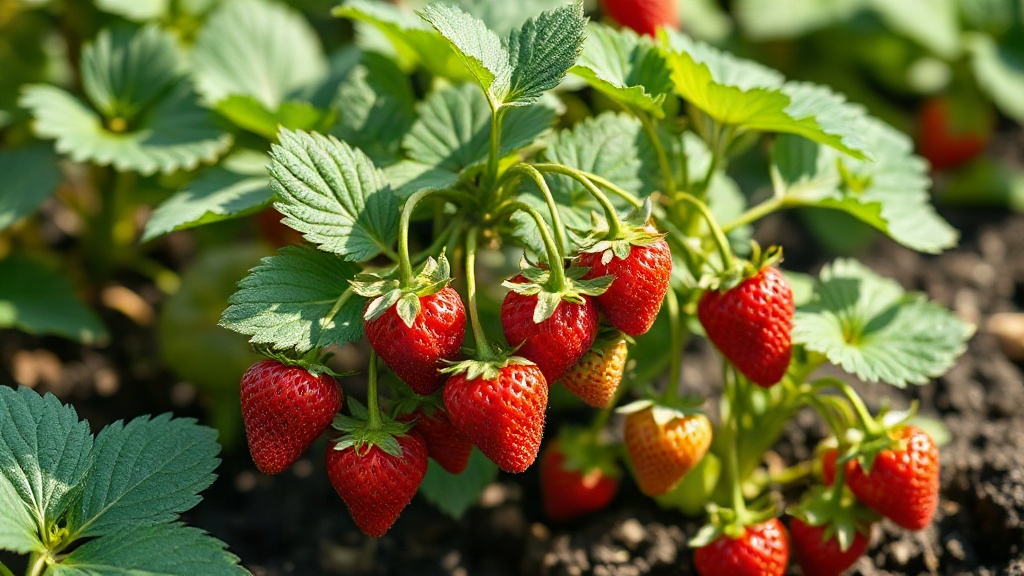
A strawberry bed that produced well last June can come back stronger next year, or it can come back half dead—and the difference is usually decided in late fall. If you want to overwinter strawberry plants for a bigger spring harvest, the work happens in a short window: after the plants go dormant but before hard freezes settle in. This guide covers what dormancy actually means for strawberries, why winter care pays off in fruit rather than just foliage, and the practical steps that protect crowns without smothering them. You will also find the mistakes that quietly kill beds, drawn from general horticultural guidance rather than guesswork. Good home gardening resources can help you adapt these steps to your climate, but the core principles stay the same almost everywhere.
Quick answer: Mulch your strawberry bed after the plants go dormant and the soil has cooled, using straw or similar loose material about 3 to 4 inches deep. Keep crowns covered but not buried, water before the ground freezes, and pull the mulch back slightly in early spring as new growth starts. That routine protects crowns from freeze-thaw damage, which is the main reason spring harvests shrink.
What is overwinter strawberry plants for a bigger?
Overwintering is the set of late-fall and winter tasks that carry a strawberry plant through its dormant season in good condition. The "for a bigger" part is the goal, not a separate technique. Plants that survive winter with intact crowns and healthy roots wake up earlier, push more flower buds, and size up fruit better than plants that suffered cold injury.
Strawberries are hardy perennials, but their growing points sit close to the soil surface. The crown—the short, thick stem where leaves and roots meet—is only lightly protected by nature. In cold climates, repeated freezing and thawing heaves the soil and can lift crowns partly out of the ground. In milder climates, the risk shifts toward soggy soil, crown rot, and plants that never fully harden off.
Dormancy is triggered mainly by short days and falling temperatures. Once a plant is dormant, its leaves flatten, turn reddish or brown, and stop growing. This is normal, not a sign of death. The plant is storing energy in its roots and crown for next season.
Mulching too early can keep soil warm and delay dormancy. Watch the plants, not just the date on the calendar.
Two strawberry types need slightly different treatment. June-bearing plants fruit once, heavily, in late spring or early summer, and they form those flower buds during the previous fall. Damaged buds mean fewer berries, so winter protection matters a lot. Everbearing and day-neutral types fruit in flushes across the season and generally produce less in the first spring flush, so their overwintering payoff is steadier harvests rather than one big crop.
Takeaway: you are protecting crowns and next year’s flower buds, and timing your mulch to dormancy is what makes that protection work.
Why overwinter strawberry plants for a bigger spring harvest matters
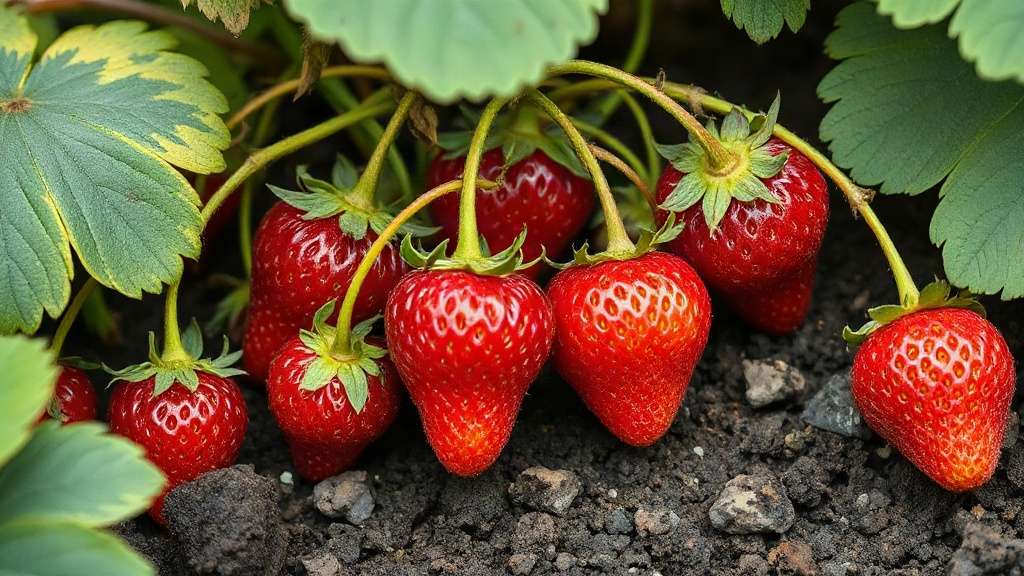
The connection between winter care and spring fruit runs through the flower buds. June-bearing strawberries initiate most of next season’s buds in late summer and fall, and those buds overwinter on the plant. Cold injury to a crown or bud translates directly into fewer flowers, smaller berries, or blank spots in the row.
Freeze-thaw cycles do damage that a single cold snap often does not. Soil expands and contracts, crowns shift, and roots tear. Plants that survive this stress often leaf out late and spend weeks recovering instead of flowering. A mulch layer moderates soil temperature, which reduces that cycling.
There is also a disease angle. Cold, wet, poorly drained soil in winter invites crown rot and root problems. Healthy crowns resist infection better than crowns already weakened by frost damage or waterlogged roots. Good airflow and drainage matter as much as warmth.
Cost is a real factor too. Replacing a failed bed means buying new plants, preparing soil, and waiting a full season for a meaningful crop. A few dollars of straw and an hour of work in November often protect an investment that took a year to build. That math favors preventive care.
| Situation | Typical risk | Practical effect |
|---|---|---|
| Cold climate, no mulch | Crown heaving, bud damage | Thin or missing spring crop |
| Cold climate, 3–4 in mulch | Stable soil temperature | Stronger, earlier growth |
| Mild climate, heavy mulch | Trapped moisture, rot | Weak crowns, disease pressure |
Takeaway: winter protection is really harvest protection—the buds you save in December are the berries you pick in May and June.
Best practices
Start with a fall cleanup that removes problems without stripping the plant bare. Remove dead leaves, spoiled fruit, and any debris that shelters slugs or disease. Trim only damaged or diseased foliage; healthy green leaves keep working until dormancy. Keep rows weeded so winter moisture does not feed weeds instead of strawberries.
Timing the mulch is the single most consequential step. Wait until you have had a few hard frosts and the plants look dormant, then apply straw, pine needles, or chopped leaves. Aim for 3 to 4 inches of loose material in cold regions and less in mild ones. Spread it over the crowns and between rows. The material should insulate, not compress into a soggy mat.
Water the bed before the ground freezes if rainfall has been light. Plants still need moisture going into dormancy, and dry roots winter poorly. Avoid fertilizing in fall—soft new growth is the first thing cold damages.
In early spring, pull mulch back from crowns as new leaves emerge. Leave some material between rows to keep soil cool and moist. Frost protection can stay in reserve; if a hard late frost is forecast when flowers open, loose straw pulled back over the plants for a night helps.
If beds are crowded or crowns have risen above the soil line, early fall is the moment to address it. Renovating and thinning plants around this time sets up healthier crowns, and if you want to expand the patch rather than just rescue it, learning to propagate strawberry plants by division gives you a low-cost way to start fresh rows.
- Clean up: remove dead leaves, fruit, and debris
- Weed: clear rows before mulch goes down
- Mulch: 3–4 inches of loose straw after dormancy
- Water: soak the bed before the ground freezes
- Uncover: pull mulch back as spring growth begins
Takeaway: tidy in fall, mulch late, water once, and uncover early—four habits do most of the work.
Common mistakes to avoid
Mulching too early is the most frequent error. A warm mulch layer keeps soil temperatures up, delays dormancy, and can cause plants to rot underneath. Wait for signs the plants have shut down.
Piling mulch directly on top of crowns and leaving it there through spring is another problem. Compressed, wet material traps moisture against the crown, which invites rot. In mild, rainy climates, consider a thinner layer or mulch only between rows.
Skipping drainage checks costs more than most gardeners expect. Strawberries hate standing water. If a low corner of the bed holds puddles, fix it with raised rows or improved soil before winter arrives.
Ignoring late-fall irrigation is a quiet mistake. A dry root system entering winter is more vulnerable to cold injury than a moist one. One deep watering before the ground freezes is usually enough.
Nitrogen in fall pushes tender growth that cold kills. Save feeding for spring, when new growth can use it.
Treating all climates the same is the last trap. In regions with reliable snow cover, snow itself insulates, and heavy mulch may be unnecessary. In zones with mild winters and wet soil, the priority is drainage and airflow, not warmth. Match your approach to your conditions.
Takeaway: most winter losses trace back to mulch timing, trapped moisture, or poor drainage—all fixable in an afternoon.
FAQ
When should I mulch strawberry plants in fall?
Wait until plants are dormant, usually after a few hard frosts. In most cold climates that lands in late fall. Mulching earlier keeps soil warm and delays the dormancy you want.
Will strawberry plants survive winter without mulch?
They can in mild climates, especially with good drainage. In cold regions, unmulched crowns risk freeze-thaw heaving and bud damage. Mulch is cheap insurance.
Should I cut back strawberry leaves before winter?
Remove only dead or diseased foliage. Healthy leaves help the plant store energy. Cutting everything back weakens plants and offers no real cold protection.
Do potted strawberries need different winter care?
Yes. Roots in containers freeze faster than in the ground. Move pots to a sheltered spot, group them together, and insulate the pots or sink them into soil if possible.
How do I know if my plants died over winter?
Check crowns in early spring by scratching the surface. Green tissue means live; brown, mushy crowns mean loss. Wait a couple of weeks before replacing anything.
Conclusion
A bigger spring harvest starts with a small set of fall decisions: wait for dormancy, mulch with a loose 3-to-4-inch layer, water once before the freeze, and pull mulch back as growth returns. Protect the crowns and next year’s buds, and match your approach to your climate rather than copying someone else’s routine. Skip the early mulch and the fertilizing, and check drainage before winter sets in. This week, walk your bed, clear the debris, and note whether your mulch supply is ready. Those few steps now decide how full your baskets look next June.