
Golf is a game of inches, and accuracy often separates good players from great ones. In 2026, over 75% of amateur golfers use a rangefinder to refine their distance measurement. However, many still rely on guesswork or course markers, leading to inconsistent shots. A precise tool can eliminate doubt and sharpen your game.
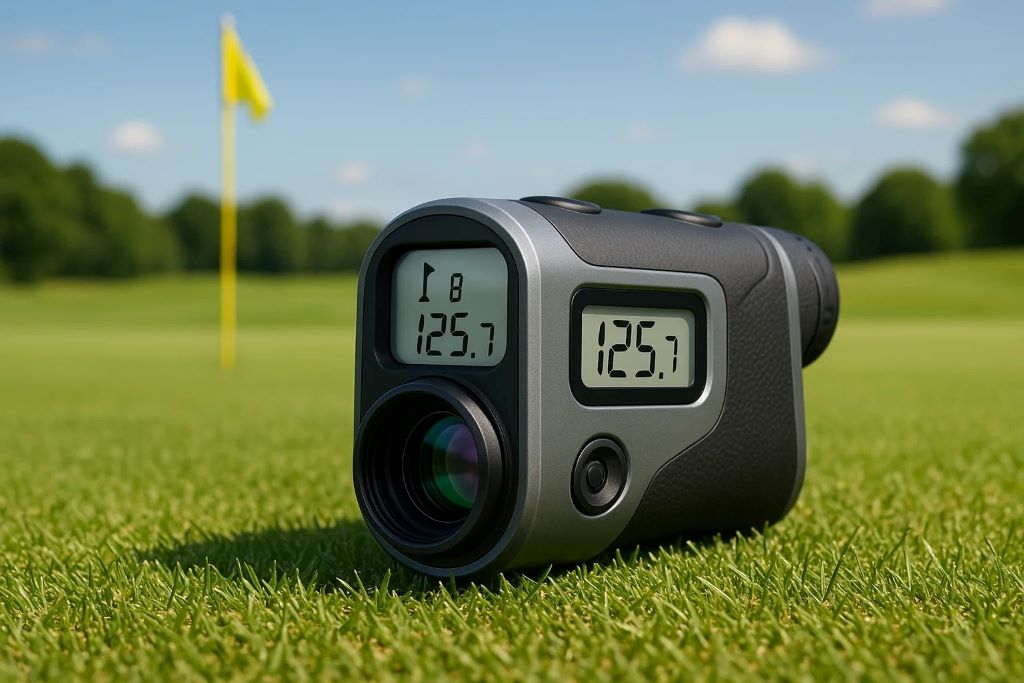
A golf rangefinder provides exact yardages to targets, ensuring you select the right club for every shot. This golf technology removes the uncertainty from distance measurement. Additionally, it enhances course management by giving you the data needed to make smarter decisions.
This guide will explain why every golfer should use a rangefinder. It will also explore how this tool improves golf accuracy and transforms your approach to the game.
The Problem with Guesswork
Guessing distances is one of the biggest sources of error in golf. Studies show that golfers misjudge yardages by an average of 10-15 yards without a rangefinder. This leads to poor club selection and inconsistent shots. Therefore, precise distance measurement is critical for improving golf accuracy.
However, many golfers rely on course markers or pacing to estimate distances. These methods are often unreliable, especially on unfamiliar courses. A golf rangefinder provides real-time, accurate data, removing the guesswork from your decisions.
Additionally, guesswork slows down play. Golfers who constantly second-guess their distances take longer to choose clubs and execute shots. This can lead to frustration and slower rounds for everyone on the course.
How a Golf Rangefinder Improves Accuracy
Precise Distance Measurement
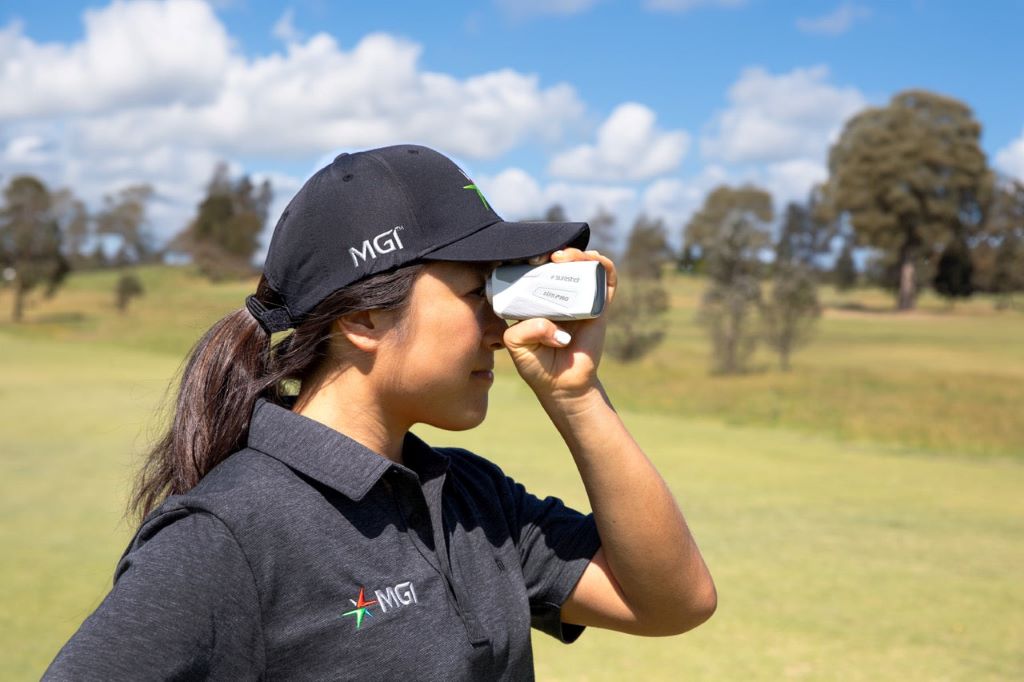
A golf rangefinder uses laser or GPS technology to measure distances with incredible precision. Laser rangefinders, in particular, provide accuracy within ±1 yard. This level of precision ensures you always know the exact distance to your target.
With accurate yardages, you can confidently select the right club for each shot. This leads to more consistent contact and better results. Additionally, precise distance measurement helps you avoid common mistakes like overclubbing or underclubbing.
Better Club Selection
Club selection is one of the most important aspects of golf. A rangefinder provides the data you need to choose the right club for every shot. This eliminates the need for estimation and guesswork.
For example, if the rangefinder shows 165 yards to the pin, you can confidently select a club that covers that distance. This precision leads to more consistent shots and lower scores. Additionally, it helps you develop a better feel for your clubs over time.
Enhanced Course Management
Course management is a critical skill for any golfer. A rangefinder provides the data you need to make smart decisions on the course. It helps you visualize the shot and choose the right club for the situation.
For example, if you know the exact yardage to a hazard, you can plan your shot to avoid it. Similarly, if you know the distance to the pin, you can choose a club that gives you the best chance of hitting the green. This data allows you to play smarter and more strategically.
Additionally, a rangefinder can help you manage your game more effectively. You can use it to measure distances for layup shots, approach shots, and even putts. This information allows you to play with more confidence and precision.
The Role of Golf Technology
Golf technology has advanced significantly in recent years. Rangefinders are now more accurate, affordable, and user-friendly than ever before. This technology provides golfers with the tools they need to improve their game.
Laser rangefinders use a focused beam of light to measure distances with incredible precision. GPS rangefinders use satellite data to provide distances to preloaded course landmarks. Both types of rangefinders offer unique advantages for golfers.
However, laser rangefinders are generally more precise and versatile. They allow you to measure distances to any target on the course, including the pin, hazards, and even trees or other landmarks. This versatility makes them a valuable tool for distance measurement and course management.
Common Misconceptions About Rangefinders
One common misconception is that rangefinders are only for professional golfers. In reality, golfers of all skill levels can benefit from using a rangefinder. Whether you’re a beginner or a seasoned pro, precise distance measurement can improve your game.
Another misconception is that rangefinders are too expensive. While some high-end models can be pricey, there are many affordable options available. A budget-friendly rangefinder can provide the same core benefits as premium models.
Additionally, some golfers believe that using a rangefinder slows down play. In reality, it speeds up the game by eliminating the need for guesswork and pacing. This keeps the round moving and reduces frustration for everyone on the course.
Finally, some golfers think that rangefinders are only useful for long shots. In reality, they are valuable for shots of all distances. Whether you’re hitting a drive, an approach shot, or a chip, a rangefinder provides the data you need to make the right decision.
FAQs About Golf Rangefinders
How does a golf rangefinder improve accuracy?
A golf rangefinder provides exact yardages to your target, allowing you to choose the right club for the shot. This eliminates guesswork and leads to more consistent and accurate shots.
What is the most important feature in a golf rangefinder?
Accuracy is the most important feature. Look for a rangefinder that provides precise distances within ±1 yard. This ensures you always have the data you need to make the right decision.
Can I use a rangefinder in tournament play?
Yes, but with restrictions. USGA rules allow rangefinders in tournaments, but they must not measure slope or other conditions. Always check the specific rules of the competition.
What is the difference between laser and GPS rangefinders?
Laser rangefinders use a focused beam of light to measure distances to specific targets. GPS rangefinders use satellite data to provide distances to preloaded course landmarks. Laser rangefinders are generally more precise and versatile.
How do I choose the right rangefinder for my game?
Consider your budget, playing style, and the features you need. If you prioritize precision and versatility, a laser rangefinder may be the best choice. If you prefer convenience and speed, a GPS rangefinder could be more suitable.
Conclusion
A golf rangefinder is a powerful tool for improving accuracy and course management. It provides precise distance measurement, enhances club selection, and helps you make smarter decisions on the course. Golf technology has made these devices more accessible and user-friendly than ever before.
Here’s to smarter decisions, better shots, and lower scores in 2026!