
The best bike for long trail days is a Trail Mountain Bike that fits comfortably for hours, pedals efficiently, and stays predictable when you’re fatigued. If you want a true All-Round Trail Bike, prioritize fit, tire choice, brake comfort, and a suspension tune that reduces chatter without feeling wallowy.
Long trail days expose the “small problems” that don’t show up on short rides. A slightly wrong reach becomes hand pain. A harsh setup becomes lower-back fatigue. Tires that roll fine for 30 minutes become miserable after two hours. The best long-day bike isn’t the most extreme. It’s the one that keeps you comfortable and in control when your energy drops.
What makes a mountain bike good for long trail days?
Direct answer: Comfort, efficiency, traction, and reliability matter most—because fatigue changes how you ride and how the bike feels.
Long days reward bikes that feel predictable. That usually comes from:
- Fit that supports neutral posture (hands, back, knees)
- Efficient pedaling for hours of climbing and flats
- Traction and stability when you’re tired
- Reliable components (brakes, drivetrain, wheels)
Is a trail mountain bike the best category for all-day rides?
Direct answer: For most riders, yes—trail bikes balance climbing and descending better than pure XC or enduro bikes for mixed, all-day routes.
XC bikes can be fast but less forgiving on rough descents. Enduro bikes can be comfortable downhill but heavier and less efficient on long climbs. A trail bike often sits in the middle where long rides live.
People also ask: Should I choose XC for long rides?
Direct answer: Choose XC if your long rides are smoother and speed-focused; choose trail if your long rides include rough descents and technical sections.
How should an all-round trail bike fit for long rides?
Direct answer: It should feel relaxed enough to ride for hours but stable enough to stand and move on descents without feeling cramped or stretched.
- Reach: neutral shoulders and soft elbows
- Saddle position: supports efficient pedaling without knee pain
- Handlebar height: avoids excessive pressure on hands
What suspension setup is best for long trail days?
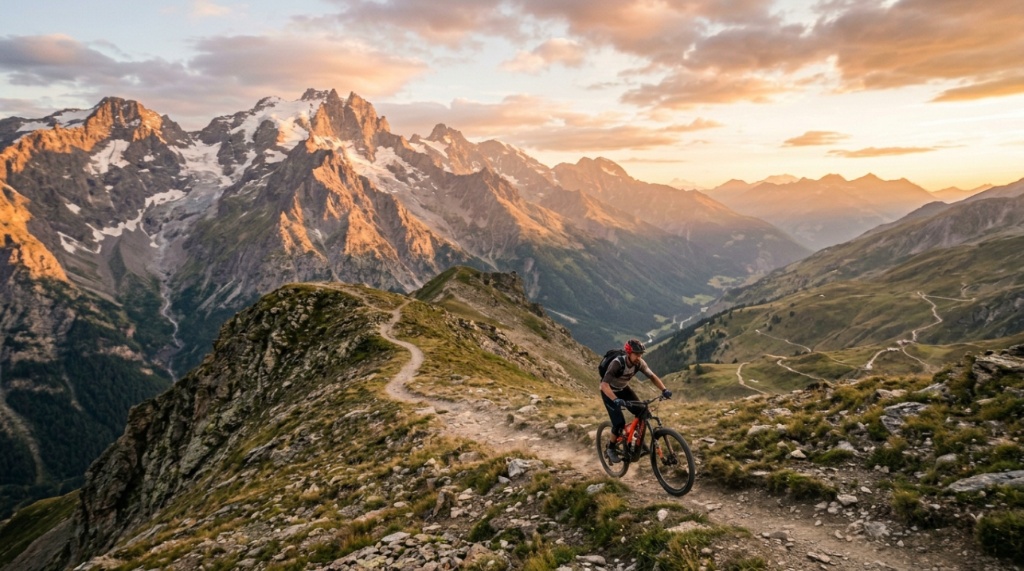
Direct answer: A supportive, not-too-soft setup with correct sag and rebound is best—comfort comes from traction and reducing chatter, not from wallowing.
All-day comfort often improves when you:
- Set sag correctly (front and rear if applicable)
- Use rebound that prevents bouncing and packing down
- Choose tires that add compliance without feeling slow
What tires are best for long trail days?
Direct answer: Choose tires that match your soil and prioritize predictable grip; slightly faster-rolling tires can reduce fatigue if your routes include lots of pedaling.
The wrong tires can drain energy all day. The right tires can make the bike feel smoother and more efficient.
What brakes matter most for long rides?
Direct answer: Consistency and reduced hand fatigue matter most—your brakes should feel the same at the start and end of a long descent.
If your route has long downhills, braking heat and fade become real. Stronger brakes and appropriate rotor sizing can reduce fatigue and improve control late in the day.
How do you choose between a lighter bike and a more capable bike?
Direct answer: Choose the bike that matches your roughest frequent terrain; “lighter” helps on climbs, but “more capable” can prevent mistakes when tired.
If your long rides are smooth and you climb a lot, lighter can feel great. If your long rides end with rough descents, capability can keep you safer when your focus drops.
Quick comparison table: what to prioritize for long trail days
Direct answer: Use this table to decide what matters most for your long rides.
| Long-day priority | What to look for | Why it matters |
|---|---|---|
| Comfort | Neutral fit + sensible bar/saddle setup | Reduces hand, back, and knee fatigue |
| Efficiency | Supportive suspension + appropriate tires | Conserves energy on long climbs |
| Control late in the ride | Predictable brakes + stable handling | Fatigue increases mistakes; bike should forgive |
| Reliability | Serviceable parts + standard sizes | Fewer surprises mid-ride |
What features make a trail mountain bike more all-round?
Direct answer: A dropper post, reliable tubeless-ready wheels, and a balanced suspension tune often deliver the biggest all-round gains.
For long days, practical features matter more than flashy ones. A dropper helps you descend safely when tired. Tubeless reduces flats and improves traction. Sensible gearing helps on steep climbs when your legs are cooked. Choosing the right gear completely changes how you experience a sport. Just as every golfer should use a golf rangefinder to improve accuracy on the course, a mountain biker needs the right geometry and suspension setup to tackle technical terrain with confidence. Investing in the right tools always pays off.
Conclusion: What’s the best mountain bike for long trail days?
Direct answer: It’s the trail bike that fits comfortably for hours, pedals efficiently, and stays predictable when you’re tired—comfort and control are the real performance features on long days.
If you tell me your typical long-day distance, how much climbing you do, and whether your descents are smooth or rocky, I can suggest which trail-bike style (short/mid/long travel) and tire direction will feel best for you.
FAQ
Is a trail mountain bike better than XC for long rides?
Direct answer: Often yes for mixed terrain because trail bikes offer more comfort and control on descents while still pedaling efficiently.
What causes hand pain on long trail rides?
Direct answer: Common causes include too-low bars, poor grip setup, harsh suspension, and tire pressure that’s too high.
Should I prioritize suspension or tire choice for comfort?
Direct answer: Tires and pressure often deliver the quickest comfort gains, then suspension setup fine-tunes traction and control.
Do I need a dropper post for long trail days?
Direct answer: It’s not mandatory, but it improves descending safety and confidence, especially when fatigue builds.
How do I avoid flats on long rides?
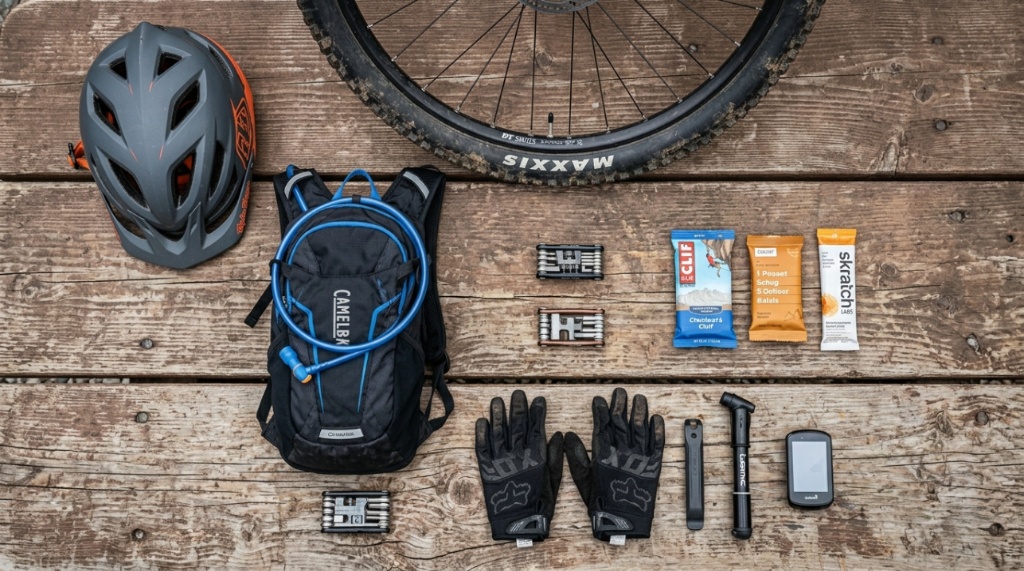
Direct answer: Use appropriate tires, run sensible pressures, consider tubeless, and carry a plug kit or tube and pump.
What gearing is best for all-day rides?
Direct answer: Choose a wide-range low gear that keeps your cadence comfortable on steep climbs when you’re tired.
Is lighter always better for long rides?
Direct answer: Not always—lighter helps on climbs, but comfort and control can matter more over hours and on rough descents.